


When it comes to snowboard construction, the core is the undisputed heart of the board. It dictates the flex, pop, weight, and overall ride feel. For riders, understanding what lies beneath the topsheet is crucial for choosing the right board. For manufacturers, selecting the right materials and manufacturing processes is a blend of art and science. As a dedicated snowboard wood core manufacturer, we often receive the same fundamental questions from brands, designers, and retailers. In this comprehensive guide, we will address the most pressing queries about snowboard cores, explore the best materials available, and explain why modern wood core technology is revolutionizing the industry.
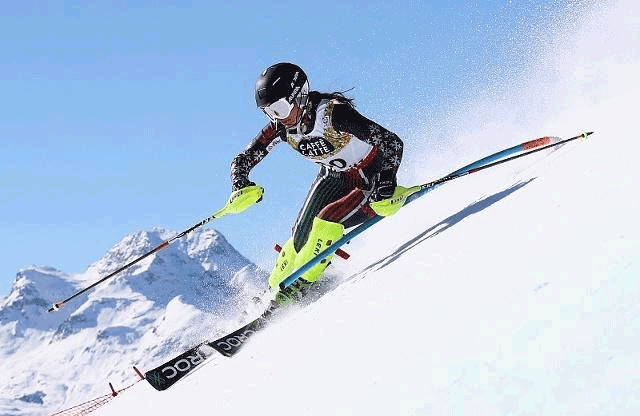
This is arguably the most common question in our field. The truth is, there is no single “best” wood; rather, it depends on the intended riding style and performance goals. However, several species stand out for their specific properties.
Paulownia: Known as the “lightweight champion,” Paulownia is incredibly light, offering excellent damping properties. It absorbs vibrations well, making for a smooth ride, but it lacks the snap and rebound of denser woods.
Poplar: This is the industry standard. Poplar is a versatile, medium-density wood that offers a balanced combination of weight, durability, and flex. It is often used as a base material in core construction.
Bamboo: This is where the magic happens for high-performance boards. Technically a grass, bamboo is celebrated for its tensile strength, sustainability, and remarkable “pop.” It is significantly stronger than most hardwoods while remaining lightweight.
While Poplar and Paulownia dominate the entry-level and mid-range markets, bamboo has emerged as the premium choice for riders seeking explosive energy and durability. When we manufacture cores for discerning clients, we often blend species—such as a Paulownia/Bamboo mix—to achieve a specific flex pattern.
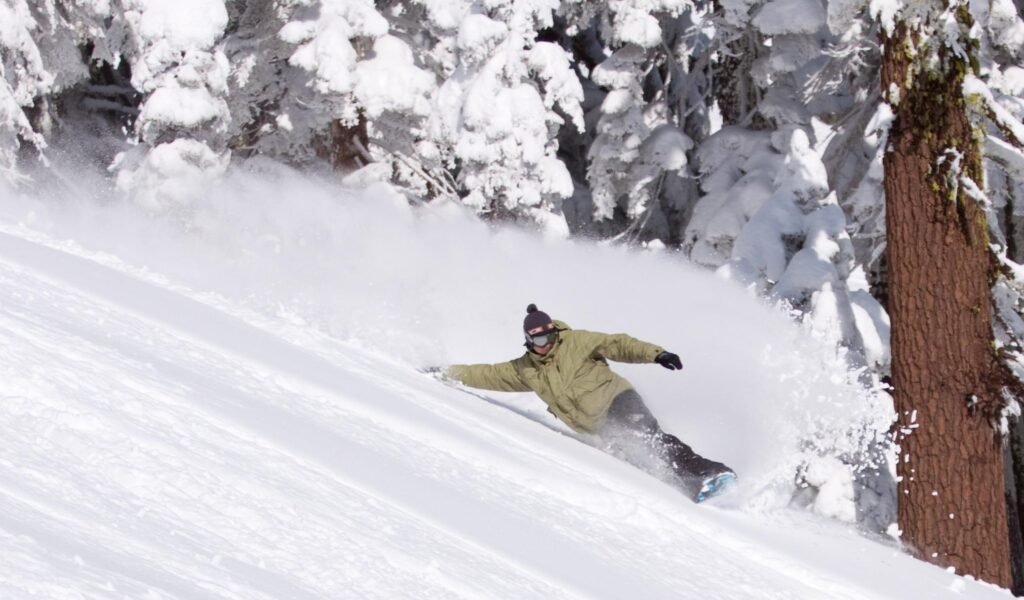
Absolutely. In fact, wood core snowboards are not just “good”; they are the gold standard in the industry. Unlike foam or honeycomb cores, which were experimented with in the early days of snowboarding, a wooden core provides a “living” feel. Wood contains natural fibers that store and release energy efficiently.
Here is why a wood core outperforms synthetic alternatives:
Flex Memory: Wood returns to its original shape after flexing, providing consistent pop and rebound season after season.
Damping: Natural wood fibers absorb high-frequency chatter, reducing leg fatigue on hard-packed snow.
Longevity: A well-sealed wood core is incredibly durable and can withstand the rigors of park riding, backcountry booters, and aggressive carving.
However, the quality of the core is entirely dependent on the manufacturing process. A poorly made wood core with vertical grain runout or inconsistent glue lines will break prematurely. That is why precision milling and climate-controlled storage are non-negotiable in our facility.
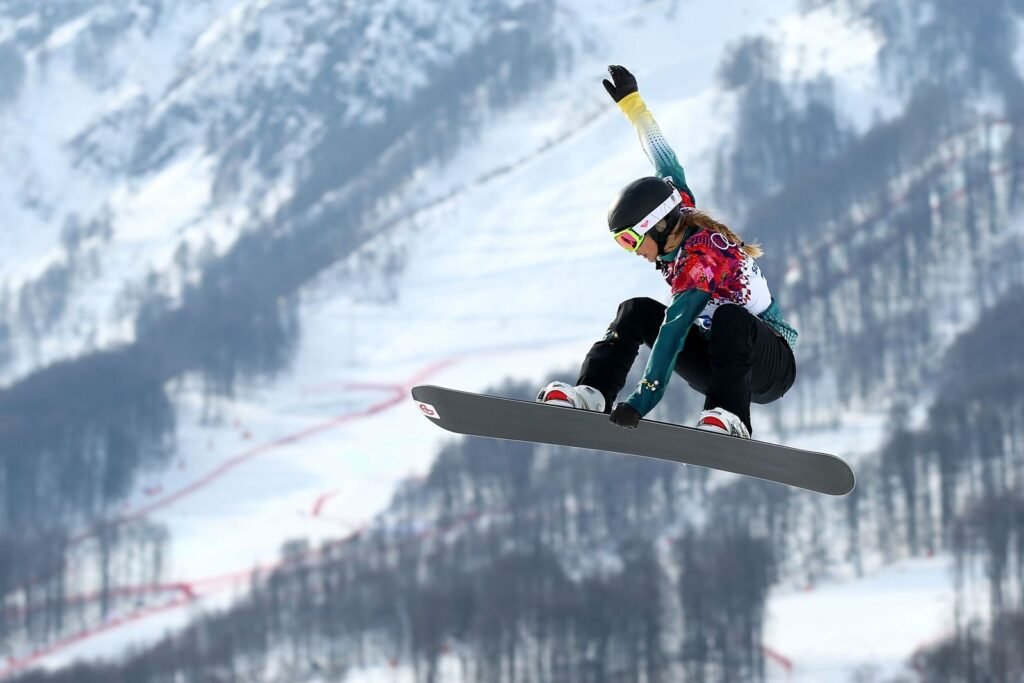
While the primary ingredient is wood, a modern snowboard core is a highly engineered composite. A typical core consists of several layers of wood strips laminated together, usually with a vertical laminated construction (where the wood grain runs from tip to tail). This vertical orientation maximizes the springboard effect.
However, to achieve specific performance characteristics, we integrate additional materials:
Carbon Fiber: Often embedded in the core or laid along the sidewalls.
Fiberglass: Wrapped around the core to add torsional stiffness.
Urethane or Rubber: Inserted as damping strips in the tip and tail to absorb shock.
The core is also profiled—shaped through a CNC router to create a thinner center (under the bindings) and a thicker nose and tail. This creates the “camber” or “rocker” profile that defines the board’s turning ability and float.
While we manufacture cores for a wide range of global brands, the world’s leading snowboard manufacturers (such as Burton, Jones, GNU, and Lib Tech) rely on high-quality wood cores from suppliers like us to power their premium lines. These brands choose suppliers based on consistency, flex tolerance, and sustainability. Gettinglong has proudly provided wood cores for some of the largest names in the industry—both boutique custom shops and mass-market leaders—solidifying our reputation for quality across Asia, Europe, and America.
The Rise of the Bamboo Core
For years, the industry relied heavily on Poplar, but there has been a distinct shift toward bamboo. The Snowboard bamboo wood core is a game-changer. Bamboo’s unique cellular structure allows it to be both lighter than Poplar and nearly twice as strong. This results in a board that is responsive without being heavy.
When riders ask for “pop,” they are asking for the ability to load the board and release it for ollies or airs. A snowboard bamboo wood core for enhanced flex and pop is specifically engineered for this. The natural resilience of bamboo allows for a lively, snappy feel that competitors struggle to replicate.
For those who want to push the limits even further, we offer a snowboard bamboo wood core with carbon reinforcement. By adding carbon fiber stringers or a carbon laminate layer directly onto the core, we create a “spring-loaded” effect. This carbon reinforcement increases the tensile strength significantly, allowing the board to snap back faster and harder, making it ideal for aggressive riders who demand high edge hold on ice.
Freestyle and All-Mountain
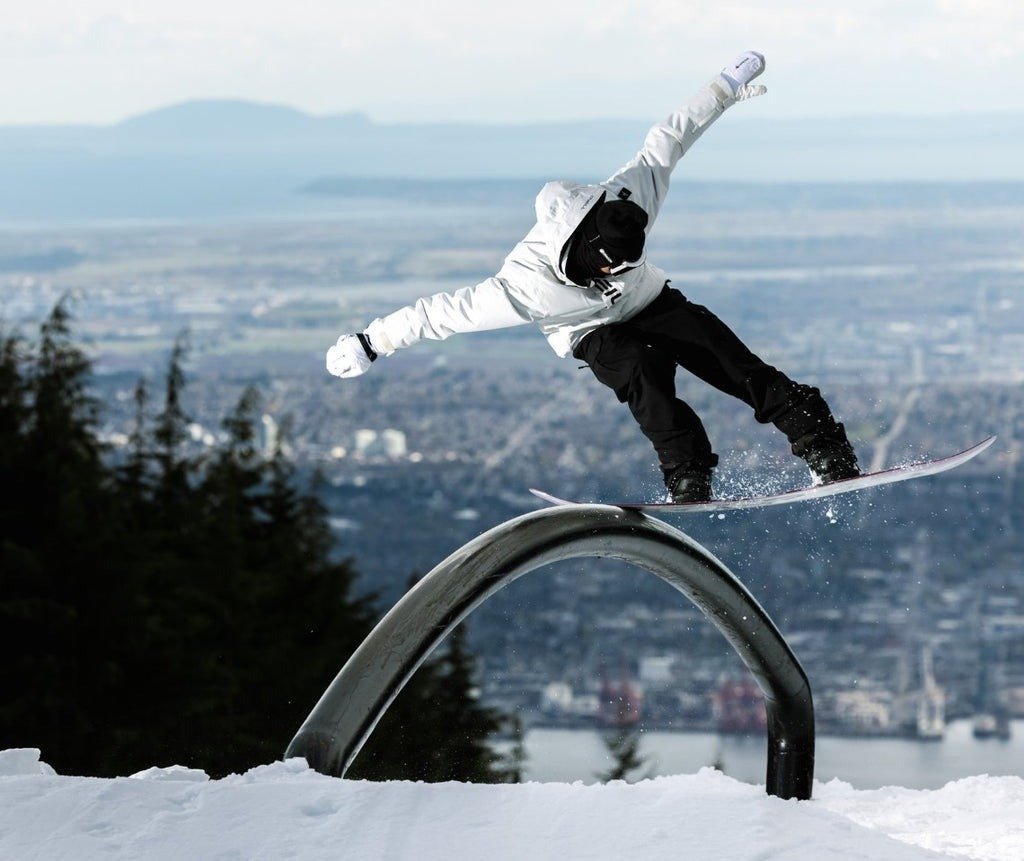
If you spend your days in the terrain park or pipe, a freestyle snowboard bamboo wood core for park and pipe is essential. Park riders need a core that is durable enough to survive repeated impacts with rails and boxes, yet forgiving enough to press and butter. Bamboo’s high impact resistance makes it the perfect partner for this environment.
Meanwhile, the majority of riders are looking for a board that does it all. An all-mountain snowboard bamboo wood core lightweight design offers the best of both worlds. It provides the float needed for pow days in the trees, the stability for carving groomers, and the lightness to keep you riding until the last chair.
Directional and Powder Performance
For deep snow enthusiasts, a snowboard directional shape with bamboo wood core is a winning combination. The directional shape naturally sets the stance back for better float, while the bamboo core provides the necessary stiffness in the tail to pop out of turns. This is particularly true for the directional powder snowboard bamboo wood core construction, which often incorporates a wider nose and tapered tail. The bamboo ensures the tail remains stiff enough to support the rider’s weight in deep snow, preventing the nose from diving.
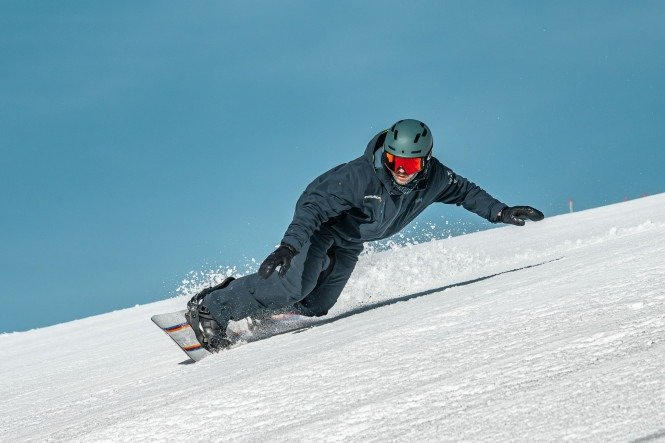
The core doesn’t work in isolation; it works in tandem with the base and profile. For racers and speed demons, a snowboard bamboo wood core with sintered base for speed is the ultimate setup. Sintered bases are porous, fast, and hold wax well. When paired with the springy nature of bamboo, the result is a board that feels explosive off the line and holds speed effectively.
Similarly, the camber profile affects how the core interacts with the snow. A bamboo wood core snowboard with camber dominant profile means the core is milled so that the board rests on its center when flat. This shape stores immense energy under the rider’s weight. When you release the board, the camber acts like a coiled spring, propelling you out of a turn. The bamboo enhances this effect, offering a crisp and responsive ride.
Not every rider weighs the same, and not every manufacturer wants the same flex pattern. This is where we provide significant value. We offer custom snowboard bamboo wood core flex options. By adjusting the thickness profile (tapering the core differently), the wood species blend (mixing bamboo with Paulownia to soften a core), or the placement of carbon stringers, we can create a specific flex rating for a brand. Whether you need a “soft” core for a junior snowboard or an “extra stiff” core for a 220-pound big-mountain rider, our CNC machinery allows us to produce highly specific flex patterns with +/- 3% tolerance.
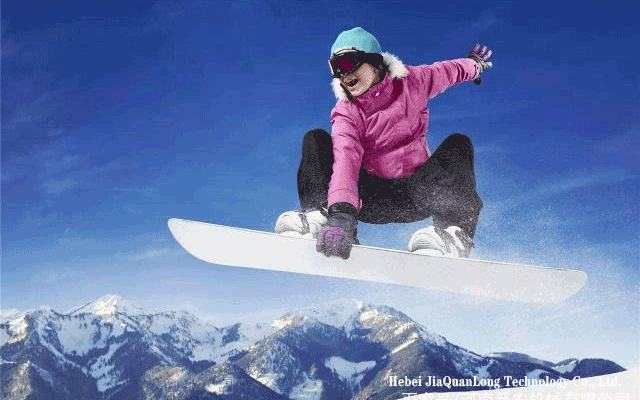
In today’s world, eco-consciousness is not just a trend; it’s a responsibility. Bamboo is one of the fastest-growing plants on earth, making it an exceptionally renewable resource. The sustainable bamboo wood core snowboard construction method significantly reduces the carbon footprint compared to using slow-growing hardwoods like Maple or Ash. At Gettinglong, we source our bamboo from FSC-certified forests. We ensure that our milling process utilizes up to 95% of the raw material—with leftover sawdust being recycled into biomass fuel for our factory’s heating systems. We believe that performance and environmental responsibility can—and should—coexist.
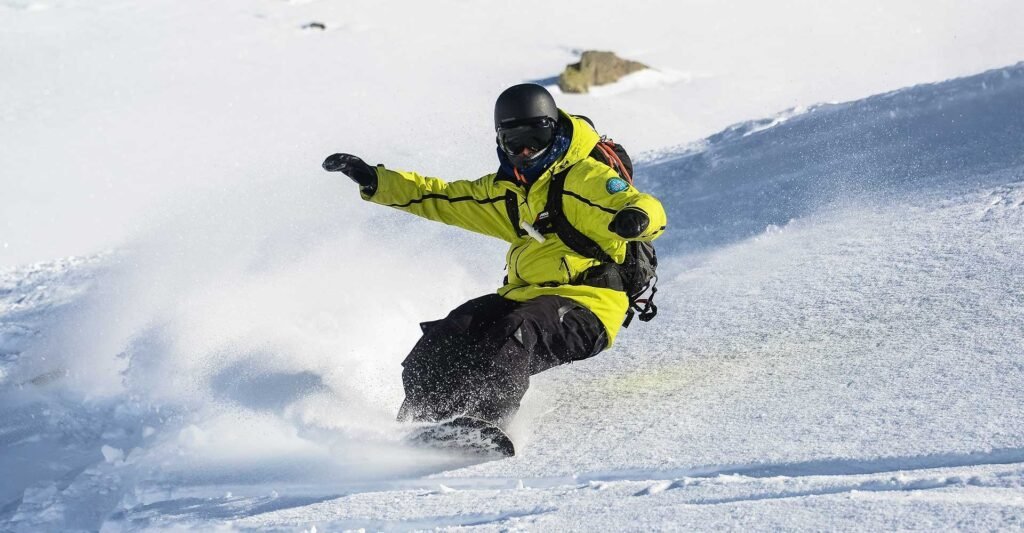
Choosing the right wood core is the most critical decision in snowboard manufacturing. While traditional woods like Poplar remain relevant, the Snowboard bamboo wood core represents the future of board performance. Whether you are seeking the snap of a freestyle board, the float of a directional powder board, or the speed of a camber-dominant racer, bamboo delivers unparalleled energy return and durability.
For many years, we have been at the forefront of the Snowboard wood core industry. Our state-of-the-art manufacturing facilities have always ensured production quality, while our experienced team provides unparalleled technical support. We have a proven track record of exporting products worldwide, with a strong presence in Asia, Europe and America.
Our stringent quality control process ensures that every batch of Snowboard wood core meets standards. We work closely with our customers to ensure timely delivery and stable pricing, positioning their needs above market trends. Our dedication to customer satisfaction is reflected in our long-term partnerships, such as our decade-long partnership with one of the largest companies in the world.
We hope this guide has answered your questions about snowboard wood core materials, brands, and performance. Whether you are a brand looking to develop a new line of boards or a rider curious about the tech under your feet, understanding the core is the first step to a better ride. At Gettinglong, we are not just a manufacturer; we are your partners in innovation. We invite you to explore our custom flex options and sustainable materials to build the next generation of snowboards. Get in touch with our technical team today to discuss your next project—we are ready to help you shape the future of snowboarding.