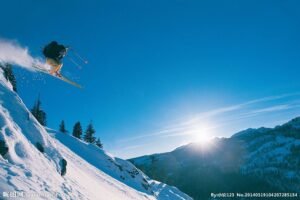


In the world of snowboarding, the core of the board is its beating heart. It determines everything from how the board flexes under pressure to how it absorbs vibrations at high speeds. Whether you are a seasoned rider or a brand looking to manufacture your own line of boards, understanding wood core technology is essential for making informed decisions. This guide answers the most frequently asked questions about snowboard cores, explores the rise of bamboo as a superior material, and provides insights into the manufacturing standards that define quality in this industry.

Snowboard cores are typically constructed from laminated strips of wood that are vertically glued together. This vertical lamination allows manufacturers to precisely control the flex pattern and structural integrity of the board. The most common wood species used in core construction include poplar, aspen, birch, beech, paulownia, and bamboo.
Poplar has been the industry standard for decades because it offers a good balance of weight, strength, and cost-effectiveness. Aspen is similarly popular for its lightweight properties. Birch and beech are harder and denser, often used in specific zones of the core to add durability and stiffness. Paulownia is an ultra-lightweight hardwood that helps reduce overall board weight, making it a favorite for backcountry and powder boards.
However, the most exciting development in recent years has been the widespread adoption of bamboo. Bamboo possesses a tensile strength-to-weight ratio that surpasses steel, yet it remains flexible and responsive. This unique combination of properties makes bamboo an ideal material for snowboard cores, especially when performance and sustainability are top priorities.

The answer depends entirely on the rider’s style and preferences. There is no universal “best” wood, but there are clear leaders for specific applications.
For riders seeking lightweight performance, paulownia and aspen are excellent choices. For those prioritizing durability and snap, birch and bamboo are superior. For all-around versatility, poplar remains a reliable workhorse.
Increasingly, manufacturers are blending multiple wood species in a single core to achieve hybrid performance profiles. For example, a core might feature bamboo stringers running along the length of the board for added pop, while the main body uses poplar for damping and stability.
Among premium options, the snowboard bamboo wood core stands out for its exceptional energy return and responsiveness. Bamboo’s natural cellular structure allows it to store and release energy efficiently, giving riders that lively, poppy feel that enhances maneuverability and control.
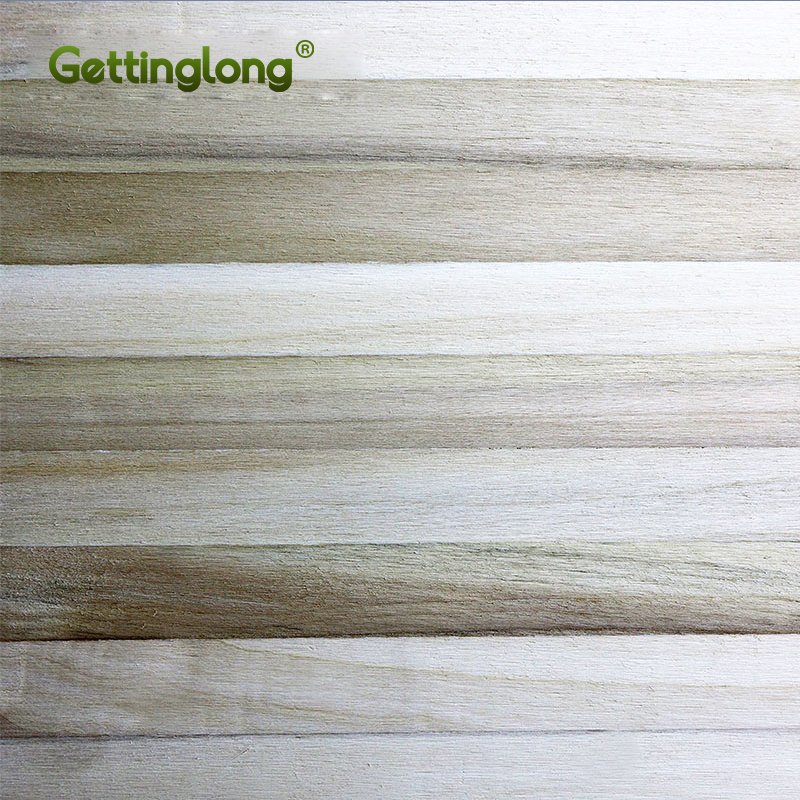
Wood core snowboards are not only good—they are the gold standard in the industry. Nearly every major snowboard brand uses wood cores in their premium and mid-range models. Here is why:
Vibration Damping: Wood naturally absorbs high-frequency chatter and vibrations, providing a smoother, more stable ride at speed. This is especially important on hard-packed snow and icy conditions.
Durability: Properly constructed wood cores are incredibly resilient. They maintain their structural integrity for years, even under aggressive riding conditions.
Tunable Performance: By varying the thickness, taper, and species of wood used, manufacturers can fine-tune flex patterns to suit any riding style—from powder surfing to park jibbing.
Responsiveness: Wood cores offer superior energy transfer between the rider and the snow. When you pressure the board, it loads and releases energy efficiently, giving you instant feedback and control.
While foam and honeycomb cores exist, they are generally found in entry-level or rental boards due to their lower cost and simpler manufacturing process. For serious riders, wood cores are the clear choice.

In snowboarding culture, the term “core” refers to brands that are deeply rooted in the sport’s heritage, culture, and lifestyle. These brands are typically snowboard-only companies that have evolved alongside the sport itself.
Some of the most recognized core brands include Burton, Jones Snowboards, Ride, Capita, Arbor, GNU, Never Summer, and Nitro. Burton is widely considered the most heritage brand, having pioneered snowboard manufacturing since the 1970s. Jones is known for its commitment to sustainability and backcountry performance. Arbor is celebrated for its eco-friendly materials, including bamboo cores. GNU and Never Summer are revered for their innovative construction techniques and durability.
These brands consistently use high-quality wood cores in their boards, with many now incorporating bamboo into their designs. Arbor, in particular, has championed sustainable bamboo wood core snowboard construction for years, proving that performance and environmental responsibility can go hand in hand.
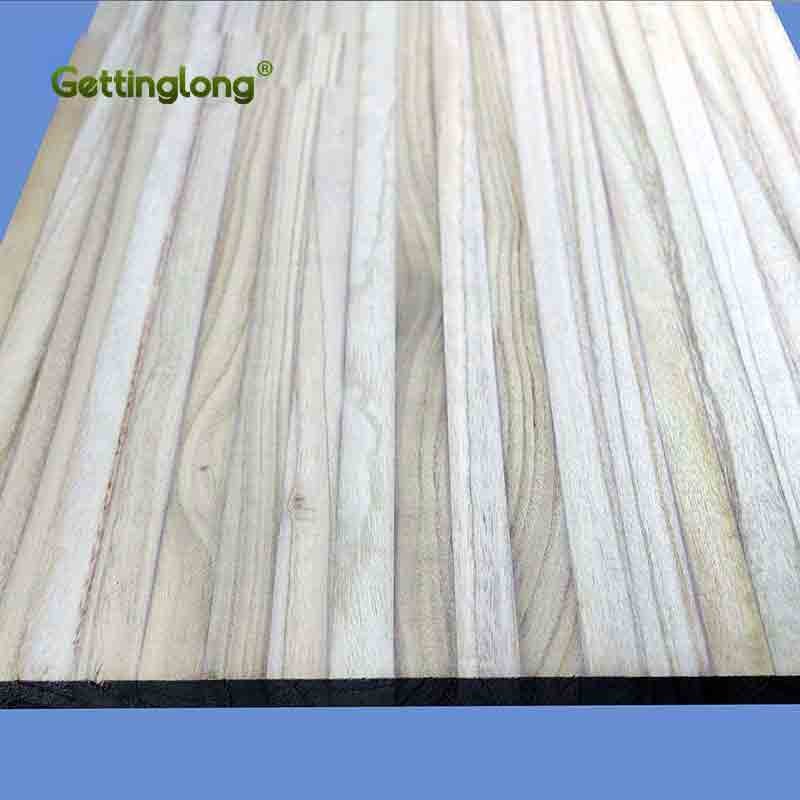
Bamboo has transformed the snowboard industry. Its remarkable properties make it an ideal material for cores, offering a unique combination of strength, flexibility, and sustainability.
One of the most significant advantages of bamboo is its enhanced flex and pop. Riders who switch to a bamboo core board often notice an immediate difference in how lively and responsive the board feels. This is because bamboo’s natural elasticity allows the board to load and release energy with exceptional efficiency.
For riders who demand even more performance, a snowboard bamboo wood core with carbon reinforcement takes things to the next level. Carbon stringers are embedded along the core to increase torsional stiffness and add snap without adding weight. This combination is particularly popular in freestyle and all-mountain boards where quick edge-to-edge transitions and explosive pop are essential.
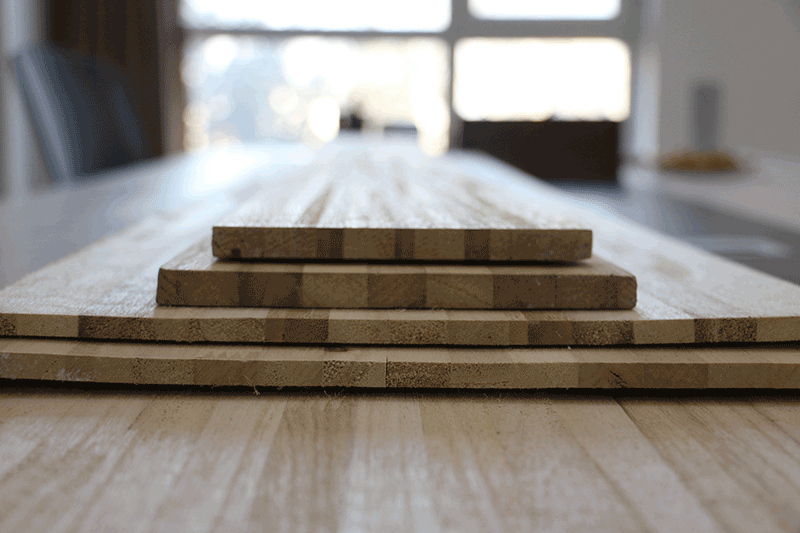
An all-mountain snowboard bamboo wood core lightweight design is ideal for riders who want a single board that can handle everything from groomers to powder. The lightweight nature of bamboo keeps the board nimble, while its strength provides the stability needed for aggressive carves at speed. This type of core excels in variable conditions, giving riders the confidence to explore the entire mountain.
Park and pipe riders require boards that are durable enough to withstand rail impacts yet flexible enough for presses, butters, and spins. A freestyle snowboard bamboo wood core for park and pipe offers the perfect balance. Bamboo’s natural resilience absorbs impact forces while maintaining the pop needed for aerial maneuvers. Combined with a softer flex profile, this core allows riders to jib and press with ease while still having enough snap for kickers.
In deep snow, floatation and maneuverability are paramount. A directional powder snowboard bamboo wood core construction provides the lightweight feel and responsive flex needed to navigate untracked terrain. The directional shape, combined with bamboo’s energy return, allows riders to surf through powder with minimal effort while maintaining control at speed. The snowboard directional shape with bamboo wood core is a favorite among backcountry enthusiasts who value both performance and sustainability.
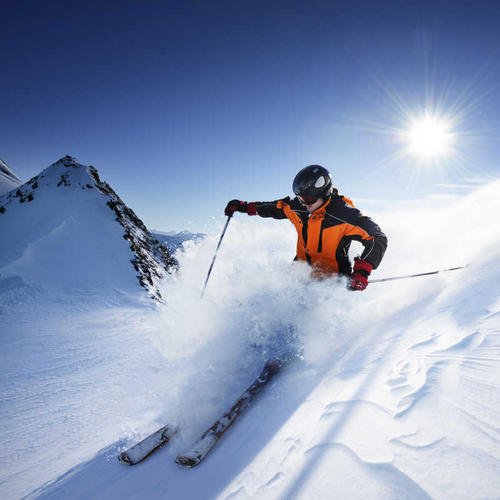
For riders who prioritize speed, a snowboard bamboo wood core with sintered base for speed is the ultimate combination. Sintered bases are harder and more porous than extruded bases, allowing them to hold more wax and glide faster. When paired with a bamboo core, the result is a board that accelerates quickly, holds an edge at high speeds, and delivers a smooth, stable ride. This combination is particularly effective in race courses and high-speed carving scenarios.
Camber dominant boards are known for their powerful edge hold and energy return. A bamboo wood core snowboard with camber dominant profile amplifies these characteristics even further. Bamboo’s natural springiness enhances the camber effect, giving riders explosive pop and precise control. Conversely, for riders who prefer a more forgiving ride, bamboo cores can also be tuned for rocker or hybrid profiles.
One of the greatest strengths of bamboo is its versatility. Manufacturers can offer custom snowboard bamboo wood core flex options by adjusting the thickness, grain orientation, and combination with other woods. This allows riders to dial in their board’s flex to match their weight, riding style, and personal preferences. Whether you want a stiff, aggressive board or a soft, playful one, bamboo can deliver.

Bamboo is one of the most renewable resources on the planet. It grows rapidly—up to three feet per day—and can be harvested without killing the plant. It requires minimal water, no pesticides, and absorbs more carbon dioxide than many hardwood trees. For environmentally conscious riders and brands, sustainable bamboo wood core snowboard construction aligns perfectly with broader eco-friendly goals.
The snowboard core is the foundation upon which all other performance characteristics are built. Whether you are a brand looking to manufacture your own line or a rider seeking the perfect board, understanding core materials is essential. Bamboo has emerged as a superior choice, offering unmatched strength, lightweight performance, and sustainability. From all-mountain versatility to freestyle durability and powder floatation, bamboo cores deliver exceptional performance across every discipline.
For many years, we have been at the forefront of the Snowboard wood core industry. Our state-of-the-art manufacturing facilities have always ensured production quality, while our experienced team provides unparalleled technical support. We have a proven track record of exporting products worldwide, with a strong presence in Asia, Europe and America.
Quality Control and Global Supply
Our stringent quality control process ensures that every batch of Snowboard wood core meets standards. We work closely with our customers to ensure timely delivery and stable pricing, positioning their needs above market trends. Our dedication to customer satisfaction is reflected in our long-term partnerships, such as our decade-long partnership with one of the largest companies in the world. When you choose Gettinglong, you choose reliability, innovation, and a commitment to excellence that spans years of industry leadership.