

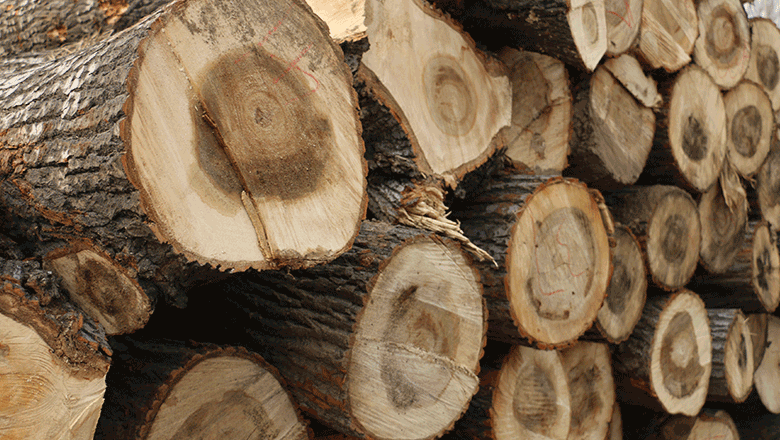
When you strap into a snowboard and point it down the mountain, the last thing on your mind is probably the material science hidden beneath your feet. However, the core of your snowboard is its literal and figurative heart. It dictates how the board flexes, how much pop it has leaving a kicker, how it dampens vibrations on hardpack, and how it performs in deep powder.
For riders, builders, and brands alike, understanding the nuances of wood core construction is essential. Whether you are a weekend warrior or an industry veteran, the questions surrounding this crucial component are always the same: What material is best? Who makes them? And are they worth the investment? As a dedicated manufacturer in this space, we are here to break down the complexities and help you navigate the world of snowboard cores.
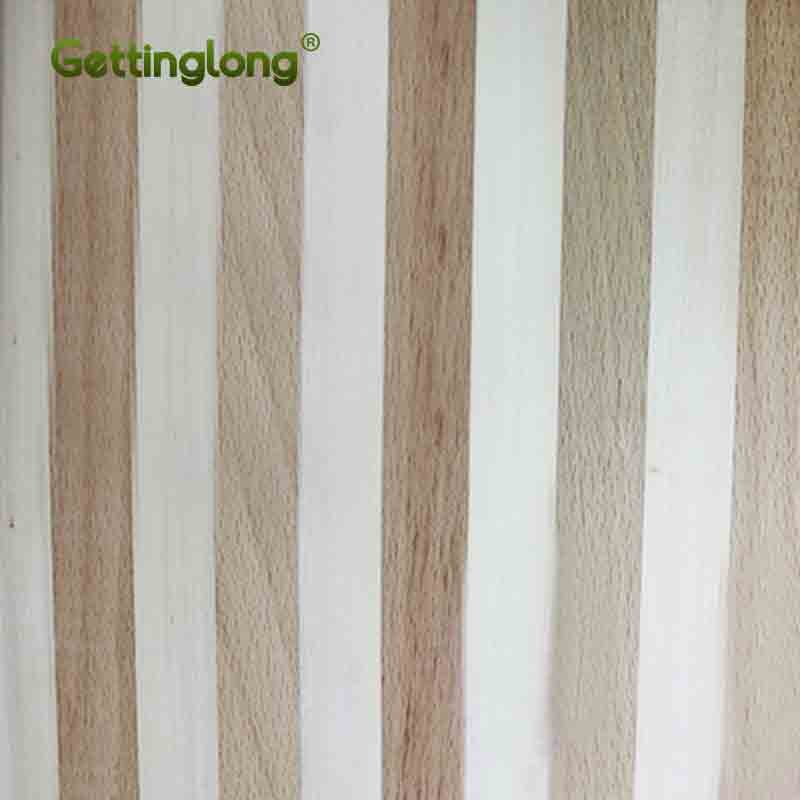
The “best” wood is subjective and depends heavily on the rider’s style and the board’s intended purpose. However, a few species dominate the industry due to their superior strength-to-weight ratios and vibration-dampening properties.
Traditionally, Poplar has been the industry standard. It is lightweight, affordable, and offers a forgiving flex, making it perfect for entry-level and all-mountain boards. For those seeking more snap and durability, Beech and Ash are often added as stringers running vertically through the core. These hardwoods increase the board’s longitudinal strength and provide that explosive “pop” out of turns.
However, the material currently revolutionizing the industry is Bamboo. While technically a grass, bamboo possesses incredible tensile strength and a lightning-fast rebound. It is lighter than most hardwoods but offers a snappier, more responsive ride. A Snowboard bamboo wood core is ideal for riders who want immediate energy transfer from their feet to the edges. Furthermore, when you utilize a Snowboard bamboo wood core with carbon reinforcement, you unlock a new level of performance. The carbon fiber amplifies the bamboo’s natural liveliness, creating a core that is incredibly lightweight yet torsionally stiff, ensuring you don’t wash out on icy steeps.
For an all-mountain snowboard bamboo wood core lightweight design, bamboo is arguably unbeatable. It reduces swing weight for easier maneuverability in the trees while maintaining the backbone needed for high-speed carving. If you are a park rat, the Snowboard bamboo wood core for enhanced flex and pop allows you to load up the board significantly before takeoff, providing that extra boost for spinning off jumps.
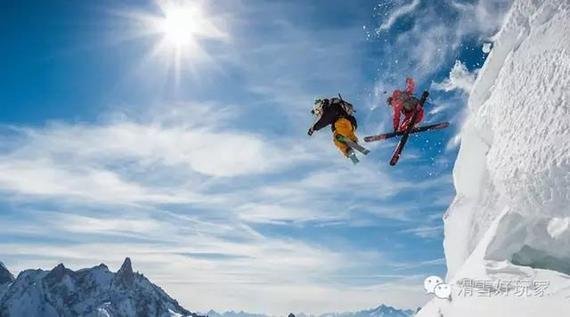
The short answer is: Yes, absolutely. In fact, a wood core is the gold standard for any high-performance snowboard. You will find foam cores in cheaper, rental-grade boards or children’s models, but they tend to lose their structural integrity and “feel” over time. Wood, on the other hand, has a “memory.”
A high-quality wood core provides natural dampening. This means it absorbs the high-frequency chatter of hard-packed snow, saving your leg muscles from fatigue. It also offers a predictable flex pattern. Unlike foam, which can become soggy, wood maintains its camber profile for longer, ensuring the board performs as intended season after season. When combined with modern laminates, wood cores are incredibly durable, standing up to rail slides, cliff drops, and the general abuse of the mountain.

At its base, a snowboard core is a vertically laminated (or sometimes horizontally layered) piece of wood. The core is profiled—meaning it is thicker in the center (under the bindings) and thinner towards the tip and tail.
Manufacturers carefully select wood grades and species. A core may be 100% poplar, or it might be a “composite” core featuring vertical strips of poplar with hardwood beech or oak stringers inserted near the edges or in the center for added rigidity.
The modern evolution of this includes combining wood with other materials. For instance, building a sustainable bamboo wood core snowboard construction often involves using bamboo grown in managed forests, which is highly renewable. This aligns with the industry’s push towards greener manufacturing.
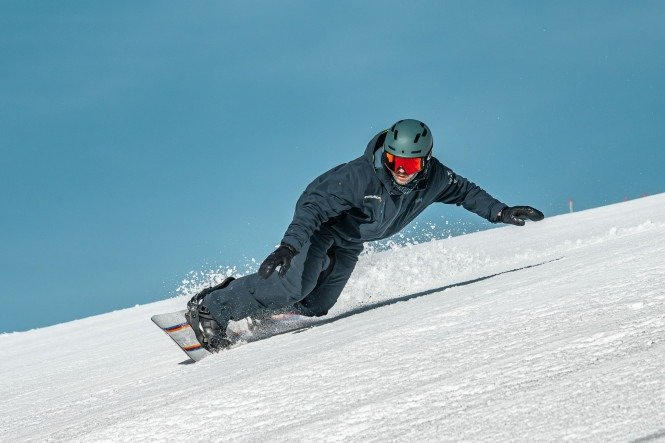
We often get asked, “What are core snowboard brands?” Many of the top-tier snowboard manufacturers—such as Burton, Jones, and Capita—have historically crafted their own proprietary wood core profiles. However, the demand for specialized geometry is growing. More boutique brands are looking for specialized manufacturing partners to create custom shapes. For example, a shaper might want a Snowboard directional shape with bamboo wood core for a freeride board, offering a stiff tail for power and a softer nose for float.
Specifically, for those who chase deep snow, a Directional powder snowboard bamboo wood core construction is a game-changer. The lightweight nature of bamboo helps keep the nose up in the fluff, while its rigidity provides the necessary stability to track straight through variable snow.
Conversely, if you are riding the rails and pipe, a Freestyle snowboard bamboo wood core for park and pipe offers the necessary durability for impact resistance and the flex pattern needed for buttery presses. To maximize speed, pairing a Snowboard bamboo wood core with sintered base for speed creates a board that is not only fast on the straightaways but responsive in the corners. The stiff nature of the bamboo transfers power directly to the sintered base material, effectively breaking surface tension on slushy spring days.
The geometry also matters. A Bamboo wood core snowboard with camber dominant profile will have a more aggressive snap, as the bamboo fights against the camber shape, storing massive amounts of energy that releases at the bottom of a turn.

Not every rider weighs the same or has the same aggression level. This is where Custom snowboard bamboo wood core flex options come into play. By adjusting the profile thickness, altering the ratio of bamboo to poplar, or strategically placing carbon stringers, manufacturers can create “soft,” “medium,” or “stiff” flex patterns. This customization ensures that a 60kg rider and a 90kg rider can both ride the same board shape but with the flex tuned specifically for their weight and style.

Bringing a snowboard from concept to production requires a partner who understands both the art and the science of wood core manufacturing. This is where our expertise comes into play.
Gettinglong Company Background
For many years, we have been at the forefront of the Snowboard wood core industry. Our state-of-the-art manufacturing facilities have always ensured production quality, while our experienced team provides unparalleled technical support. We have a proven track record of exporting products worldwide, with a strong presence in Asia, Europe and America.
Quality Control and Global Supply
Our stringent quality control process ensures that every batch of Snowboard wood core meets standards. We work closely with our customers to ensure timely delivery and stable pricing, positioning their needs above market trends. Our dedication to customer satisfaction is reflected in our long-term partnerships, such as our decade-long partnership with one of the largest companies in the world.
The snowboard core is the engine of the board. Whether you are looking for the lightweight snap of bamboo, the durability of hardwood composites, or the specific flex required for a powder day, the wood selection defines your ride. As a manufacturer, we understand that choosing the right core is not just about the material; it is about partnering with a supplier who can deliver consistency, precision, and performance.
From prototyping custom snowboard bamboo wood core flex options to scaling up mass production, Gettinglong is dedicated to driving the industry forward. We invite you to explore how our craftsmanship can elevate your next board. After all, the best ride starts with the best core.