


In the world of snowboard design, the wood core is the engine room. It determines how energy is transferred from your feet to the snow, dictating everything from high-speed stability to butter-soft presses. While graphics and sidecuts catch the eye, the core is where the magic happens. This article dives deep into the manufacturing process, material science, and structural engineering behind premium snowboard wood cores. We will explore why specific wood species dominate the industry and how modern reinforcements are pushing the boundaries of performance. For manufacturers and brands looking to source top-tier components, understanding these nuances is not just helpful—it is essential for survival in a competitive market.
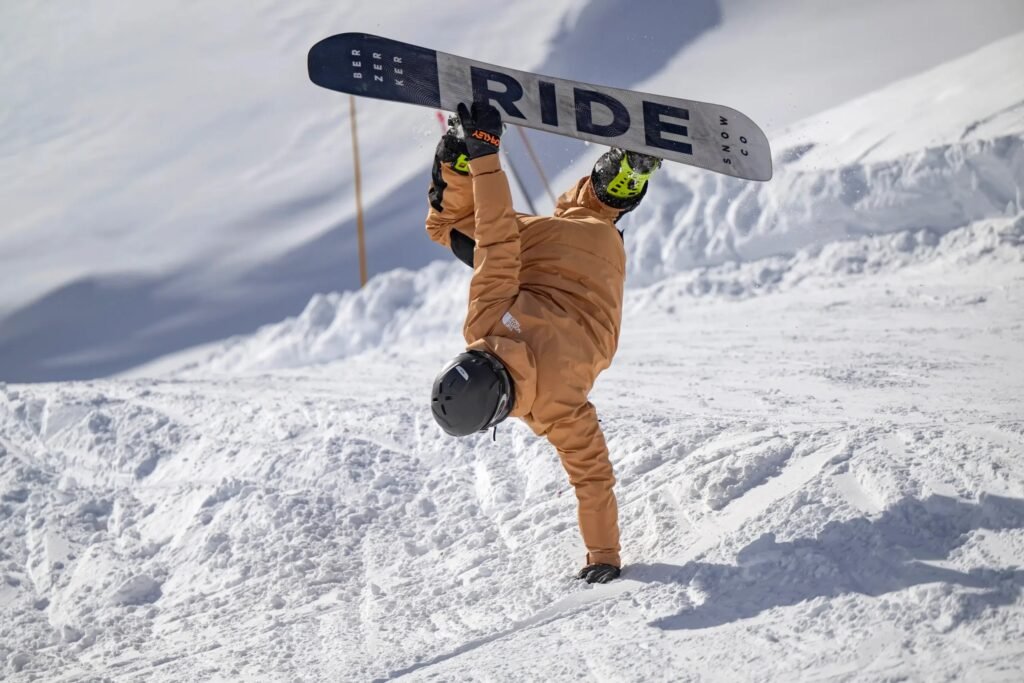
At its most basic level, a snowboard core is a complex composite of laminated wood strips. Unlike simple plywood, these strips are precision-machined to create varying thickness profiles (known as “profiling”) that determine the board’s flex pattern.
The raw materials used are critical. While many softwoods are used for cost reduction, premium cores rely on hardwoods and specific bamboo variants. The core is not just one piece of wood; it is a puzzle of different species working together. For instance, a core might feature a lightweight paulownia center for weight reduction, flanked by beech or ash “stringers” along the edges to increase bite and pop.
However, the modern gold standard is bamboo. The snowboard bamboo wood core offers a unique combination of high tensile strength and low density. This means a board can be thinner and lighter without sacrificing structural integrity. The natural longitudinal grain structure of bamboo allows for incredible snap, making it the preferred choice for riders who demand explosive energy return.

The industry consensus is a resounding “yes.” But why do wood cores outperform foam or honeycomb alternatives?
Vibration Damping: Wood has a natural cellular structure that absorbs high-frequency chatter. This is crucial for maintaining board control on icy or hard-packed runs. Foam cores, in contrast, tend to vibrate more, leading to rider fatigue.
Memory and Durability: Wood has “memory.” It returns to its original shape after flexing, whereas other materials can permanently deform over time. This ensures that a wood-core snowboard maintains its intended flex profile for years.
Customizability: Wood is highly tunable. By changing the wood species, the lamination angle, or the thickness profile, manufacturers can create drastically different riding characteristics.
Specifically, the all-mountain snowboard bamboo wood core lightweight is the ultimate all-rounder. It reduces the overall swing weight of the board, making it easier to throw around in trees or moguls, while still providing the stability needed to charge through crud at the end of the day.

While bamboo is exceptional on its own, modern engineering has introduced reinforcements to enhance specific traits. The snowboard bamboo wood core with carbon reinforcement is a perfect marriage of nature and technology.
Carbon fiber stringers or laminates are strategically placed along the core—usually along the center line or under the bindings. This serves two purposes:
Increased Longitudinal Stiffness: It makes the board more responsive and faster to transition from edge to edge.
Enhanced Pop: Carbon stores energy more efficiently than wood. When you load the board for an ollie, the carbon snaps back, adding explosive lift.
This combination is particularly effective for the bamboo wood core snowboard with camber dominant profile. Camber already creates a spring-loaded feeling; adding carbon reinforcement amplifies this effect, giving aggressive riders the ultimate carving machine that holds a razor-sharp edge on hard snow.
No two snowboarders are the same, and the core must reflect that diversity.
For the Powder Hounds:
A directional powder snowboard bamboo wood core construction is designed with a specific thickness taper. The core is thicker in the tail to support a rider’s weight and provide float, while the nose is thinner and more flexible to rise above the deep snow. Bamboo is ideal here because it keeps the overall weight low, preventing the nose from diving.
For the Park Rats:
The freestyle snowboard bamboo wood core for park and pipe prioritizes a soft to medium flex. This allows for easy presses on rails, jibbing, and smooth landings. Bamboo’s inherent durability is a benefit here, as park riders subject their boards to significant impact. The bamboo absorbs shock without breaking, ensuring longevity.
For the Speed Demons:
A snowboard bamboo wood core with sintered base for speed is the choice for racers and speed enthusiasts. The combination of a fast, porous sintered base and a responsive bamboo core creates a board that accelerates quickly. The base provides the glide, while the core provides the stability and energy transfer to push through rough terrain at high velocity.
For the Directional All-Mountain Rider:
The snowboard directional shape with bamboo wood core often features a setback stance and a tapered shape. The bamboo core enhances the natural float of the directional shape while offering the pop needed to initiate turns in variable snow conditions.

Modern consumers are increasingly conscious of their environmental footprint. This has driven the industry toward sustainable sourcing. A sustainable bamboo wood core snowboard construction checks all the boxes. Bamboo is one of the fastest-growing plants on the planet, requiring minimal water and no chemical fertilizers. By choosing bamboo, manufacturers can produce high-performance boards that appeal to eco-conscious riders without compromising on the “snappy” and “responsive” feel that riders crave.
Rider weight, skill level, and personal preference play a massive role in how a board feels. This is where customization becomes vital. A custom snowboard bamboo wood core flex options allows riders to dial in their board exactly.
Lightweight Riders: A thinner core with a softer flex ensures they can bend the board easily.
Heavy Riders: A thicker core or added carbon reinforcement prevents the board from feeling “washed out” under heavy loads.
Working with an experienced manufacturer who can adjust these variables is essential for any brand looking to deliver a premium product.
For many years, we have been at the forefront of the Snowboard wood core industry. Our state-of-the-art manufacturing facilities have always ensured production quality, while our experienced team provides unparalleled technical support. We have a proven track record of exporting products worldwide, with a strong presence in Asia, Europe and America.
Quality Control and Global Supply
Our stringent quality control process ensures that every batch of Snowboard wood core meets standards. We work closely with our customers to ensure timely delivery and stable pricing, positioning their needs above market trends. Our dedication to customer satisfaction is reflected in our long-term partnerships, such as our decade-long partnership with one of the largest companies in the world.
The evolution of the snowboard wood core is a story of continuous improvement. From simple hardwood slabs to sophisticated composites featuring the snowboard bamboo wood core with carbon reinforcement, the industry is moving toward lighter, stronger, and more sustainable designs.
Whether you are designing a directional powder snowboard bamboo wood core construction for the backcountry or a freestyle snowboard bamboo wood core for park and pipe for the terrain park, the core is the deciding factor in your board’s performance. The integration of bamboo wood core snowboard with camber dominant profile and sintered base technologies showcases the precision engineering available today.
As a board manufacturer or a discerning rider, the decision to invest in a high-quality, bamboo-based core is an investment in durability, performance, and sustainability. With trusted partners like Gettinglong providing superior quality control and global supply, the future of snowboard manufacturing is not just about riding the mountain—it is about engineering the perfect ride for every condition and every rider.