


When it comes to snowboard construction, the core is the undisputed engine of the board. It determines everything from weight and flex to pop and durability. For riders, manufacturers, and industry insiders alike, understanding the nuances of wood core production is essential. As a specialized manufacturer deeply rooted in this craft, we often encounter four fundamental questions: What is the best wood for a snowboard core? What are core snowboard brands? Are wood core snowboards good? What are snowboard cores made of?
In this comprehensive guide, we will dissect these questions while exploring the latest innovations in materials and design. We will also highlight how advanced engineering, such as carbon reinforcement and sustainable sourcing, is shaping the future of the sport. Whether you are a backcountry powder hound or a park rat, the core of your board is your foundation.
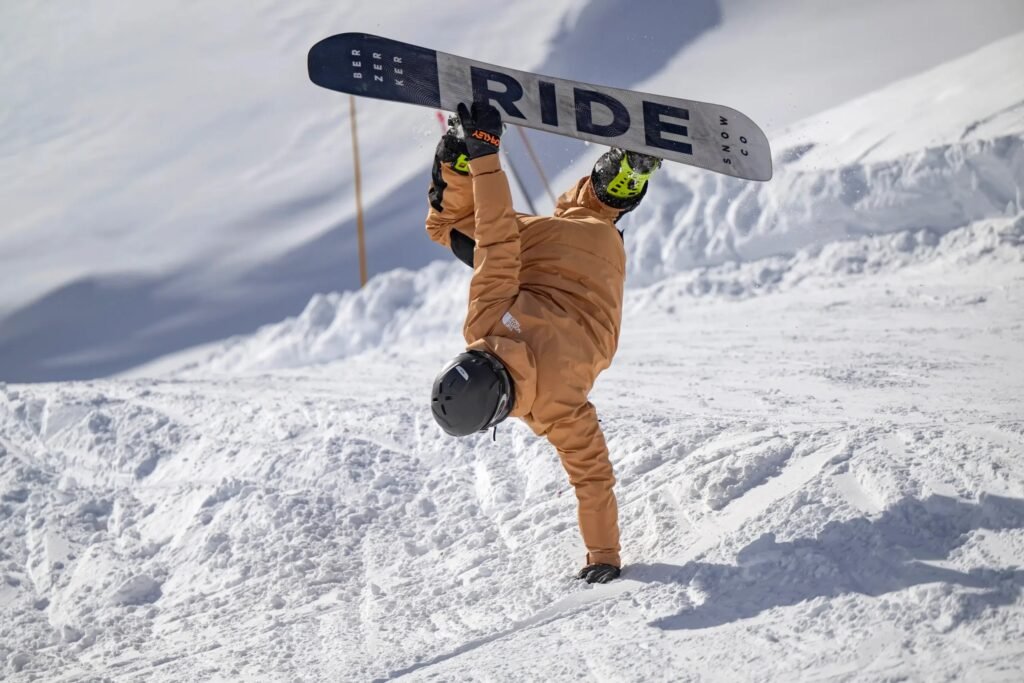
At its most basic level, a snowboard core is the internal layer of the board, sandwiched between the fiberglass layers, the top sheet, and the base. The vast majority of high-performance snowboards utilize wood cores due to their natural damping properties, resilience, and lively feel. While early snowboards experimented with foam and honeycomb materials, wood has remained the gold standard for decades.
The most common species used include Poplar, Paulownia, Ash, Beech, and Bamboo. Each wood brings a distinct personality to the board. Poplar is the industry standard—versatile, cost-effective, and offering a medium density. Paulownia is incredibly lightweight and often used in backcountry boards. Ash and Beech are denser, heavier, and provide unmatched durability and stiffness. However, the material that has revolutionized the industry in recent years is Bamboo.
Bamboo is technically a grass, but its mechanical properties are extraordinary. It offers a strength-to-weight ratio that rivals steel, providing explosive snap and incredible torsional stability. This is why we see a surge in the use of the Snowboard bamboo wood core. For riders seeking a snappy, responsive ride, bamboo is unmatched. To further enhance these properties, manufacturers utilize a snowboard bamboo wood core with carbon reinforcement. By embedding carbon fiber stringers or laminates alongside the bamboo grain, the core becomes lighter, poppier, and more responsive without sacrificing the natural dampness of the wood.

The short answer is yes—but let’s break down why. Wood core snowboards are universally preferred by pros and enthusiasts for several reasons:
Natural Damping: Wood absorbs high-frequency vibrations better than foam or aluminum. This reduces rider fatigue on hard-packed snow and icy conditions, providing a smoother ride.
Lively Flex: Wood returns to its original shape quickly after being flexed. This “pop” is crucial for ollies, jumps, and quick turns.
Durability: A well-constructed wood core with proper sealants and a robust sidewall will last for years, maintaining its flex pattern far longer than synthetic alternatives.
However, not all wood cores are created equal. The “goodness” depends heavily on the design and the specific wood used. For example, an all-mountain snowboard bamboo wood core lightweight is excellent for all-day riding because it reduces swing weight and makes the board easier to maneuver in trees and bumpy terrain. Conversely, a heavy Beech core might be too stiff for a beginner but ideal for a heavy rider who charges at high speeds. Thus, the performance of the core relies on the synergy between the material, the shape, and the rider’s weight.
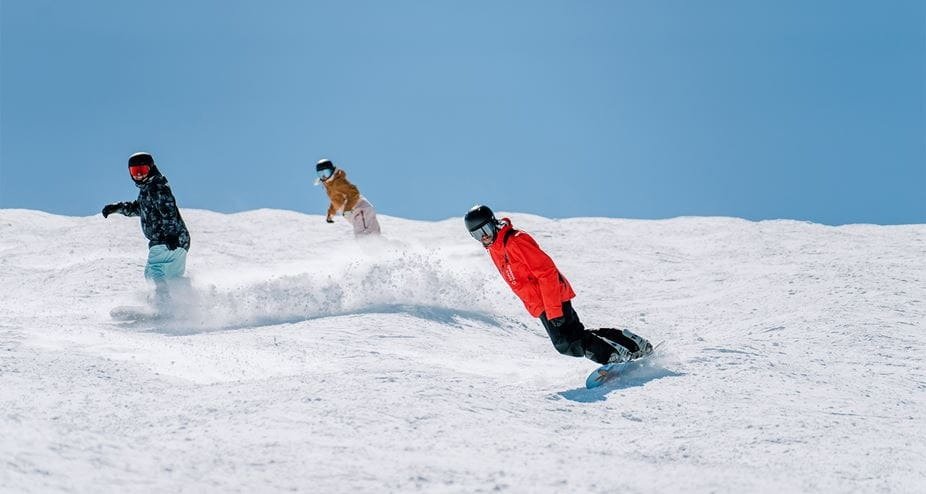
There is no single “best” wood; rather, there is the “best” wood for a specific purpose. The selection process is a balancing act between weight, strength, and flex. If you prioritize lightweight touring, Paulownia is top-tier. If you want aggressive energy transfer, Bamboo and Ash are the winners. However, in the current market, Bamboo stands out as the premium choice for its sustainability and performance metrics.
Specifically, the snowboard bamboo wood core for enhanced flex and pop is a game-changer. Bamboo possesses a natural springiness that allows for a quicker transition from edge to edge. When paired with a directional powder snowboard bamboo wood core construction, the effect is magnified. In a powder board, the core is often tapered, meaning it is thicker at the tail and thinner in the nose. Using Bamboo in this configuration provides the nose with the flex needed to float on powder while keeping the tail stiff enough for powerful turns and slashing.
Furthermore, for eco-conscious riders, the sustainable bamboo wood core snowboard construction is a significant draw. Bamboo is one of the fastest-growing plants on Earth, requiring minimal water and no pesticides. It regenerates quickly, making it a far more environmentally friendly option than slow-growing hardwoods. This sustainability does not come at the cost of performance; it enhances the story of the board.
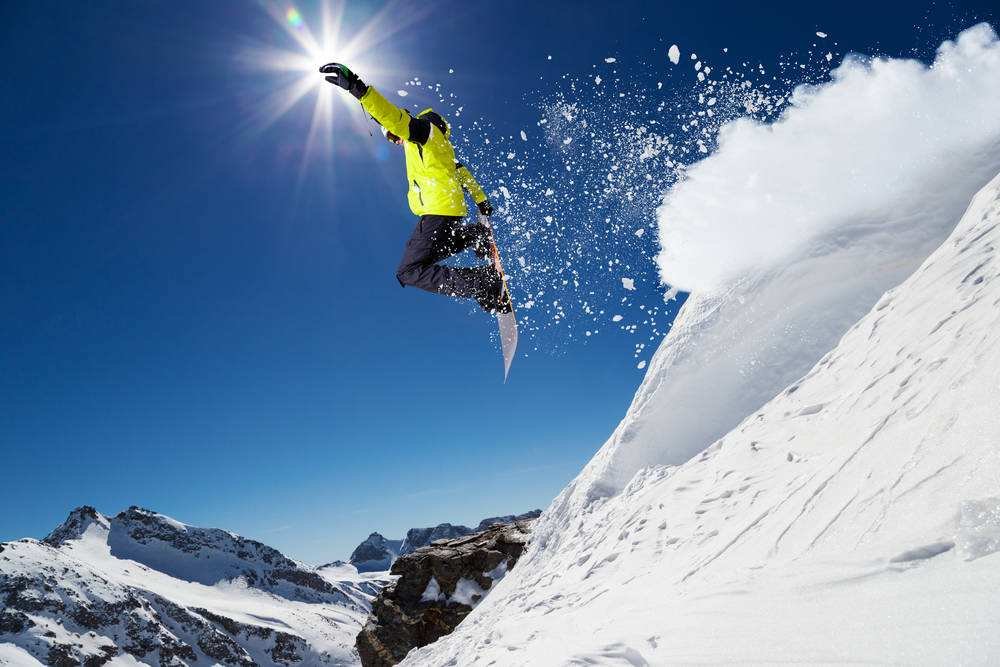
The core is not just a flat piece of wood; it is the architect of the board’s geometry. A core is profiled—shaved down in specific areas—to create the board’s flex pattern. In a snowboard directional shape with bamboo wood core, the core is constructed to be stiffer in the rear for power and softer in the front for float. Directional shapes are increasingly popular for all-mountain and freeride boards, allowing riders to charge through variable snow with confidence.
On the other end of the spectrum, the freestyle snowboard bamboo wood core for park and pipe requires a different approach. Park riders need a core that is soft enough to press on rails and boxes but resilient enough to absorb the impact of landings. Bamboo, with its high tensile strength, handles this abuse well. It allows for a buttery flex in the tip and tail while maintaining rigidity under the bindings for stable takeoffs.
The core’s performance is also tied to the base and the camber profile. For instance, a snowboard bamboo wood core with sintered base for speed is the ultimate combination for racers and speed demons. Sintered bases are porous and absorb wax better, resulting in higher glide speeds. When paired with a bamboo core, the board offers a “magic carpet” feel—fast on the straightaways and explosive in the turns.
Similarly, the profile of the board—how the core is shaped relative to the flat surface—determines the ride. The bamboo wood core snowboard with camber dominant profile is the traditional choice for aggressive riders. Camber, which arches the middle of the board off the snow, stores energy that is released as you exit a turn. This traditional profile, combined with the lively nature of Bamboo, provides the most powerful carving experience possible.
Modern technology allows for custom snowboard bamboo wood core flex options. Not all riders are the same weight, height, or style. At our facility, we offer variable flex profiles, allowing riders to choose a soft (5/10) flex for a playful ride or a stiff (9/10) flex for high-speed stability. This customization ensures that every rider gets a board tailored specifically to their biomechanics, maximizing their performance and enjoyment on the mountain.

For many years, we have been at the forefront of the Snowboard wood core industry. Our state-of-the-art manufacturing facilities have always ensured production quality, while our experienced team provides unparalleled technical support. We have a proven track record of exporting products worldwide, with a strong presence in Asia, Europe and America.
Our stringent quality control process ensures that every batch of Snowboard wood core meets standards. We work closely with our customers to ensure timely delivery and stable pricing, positioning their needs above market trends. Our dedication to customer satisfaction is reflected in our long-term partnerships, such as our decade-long partnership with one of the largest companies in the world.
The snowboard core is the heart of the board, and the choice of wood defines the soul of the ride. Whether it is the lightweight nature of Paulownia or the explosive pop of a Snowboard bamboo wood core, the evolution of wood core technology continues to push the boundaries of what is possible on snow. From all-mountain snowboard bamboo wood core lightweight boards for resort cruisers to directional powder snowboard bamboo wood core construction for deep snow explorers, the variety is vast.
As you look for your next board, remember that innovation extends beyond just the shape. It includes the materials—like the sustainable bamboo wood core snowboard construction—and the engineering, such as carbon stringers and sintered bases. Whether you favor a freestyle snowboard bamboo wood core for park and pipe or a snowboard bamboo wood core with camber dominant profile, understanding the core helps you pick the perfect board. And remember, with custom snowboard bamboo wood core flex options, the future of snowboarding is not just about riding; it’s about riding exactly how you want.