

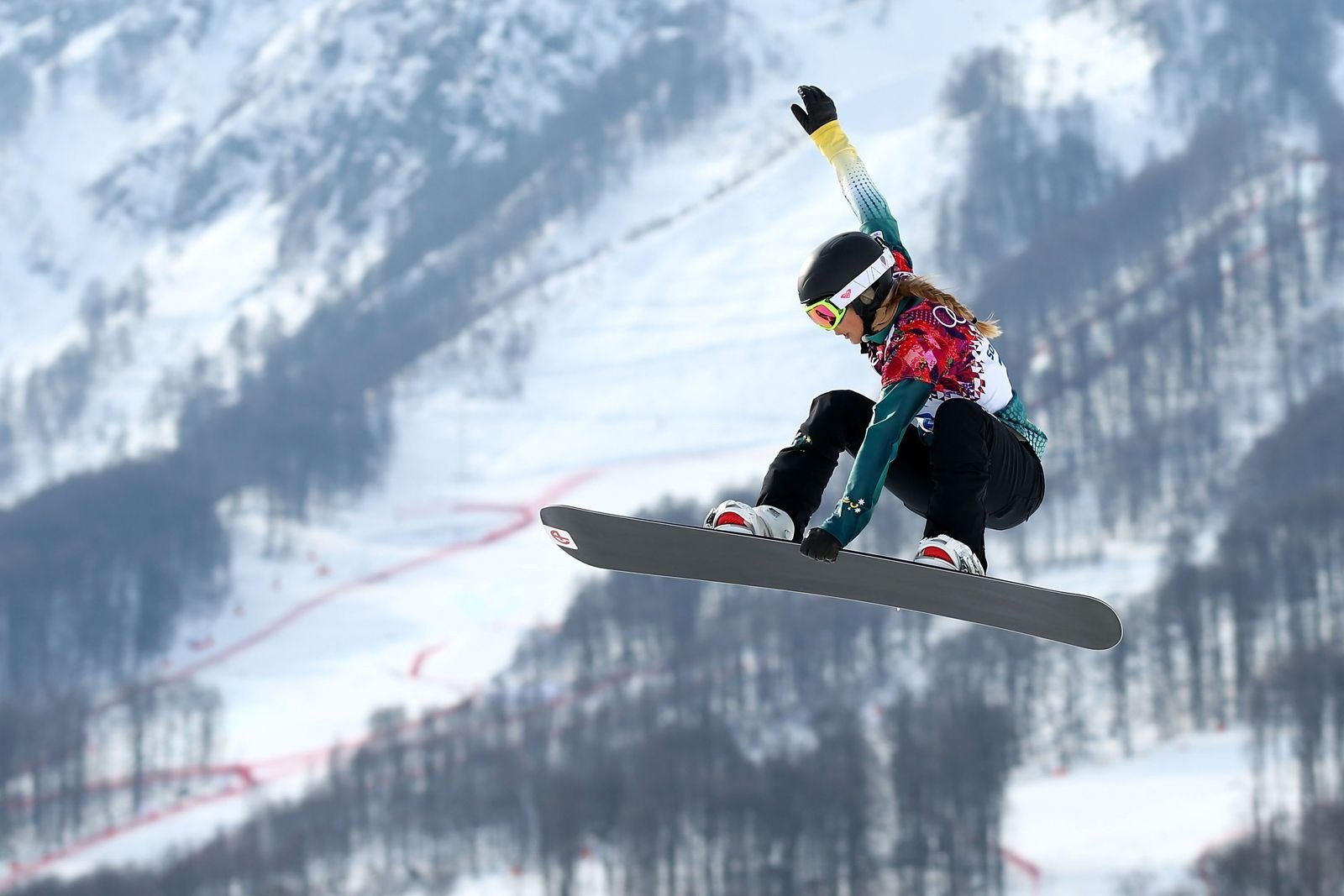
When it comes to snowboard construction, the core is the undisputed heart of the board. It dictates the flex, pop, weight, and overall feel of your ride. For riders, builders, and brands alike, understanding the nuances of wood cores is essential. In this comprehensive guide, we will answer the most pressing questions about snowboard wood cores, explore the best materials available, and highlight why modern manufacturing techniques are revolutionizing the industry. We will also delve into specific technologies, such as the snowboard bamboo wood core, and how innovations like the snowboard bamboo wood core with carbon reinforcement are changing the game for performance enthusiasts.
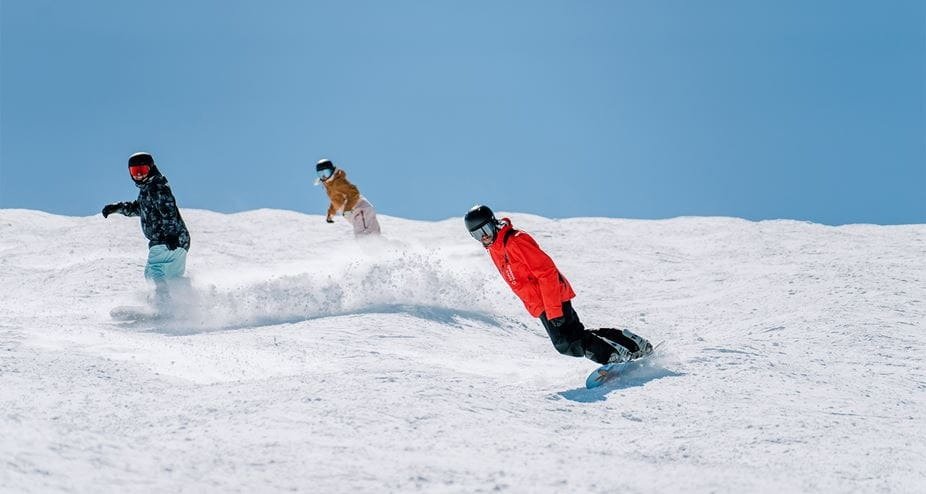
The “best” wood depends entirely on the rider’s style and the board’s intended purpose. However, in the industry, bamboo and poplar are considered the gold standards.
Bamboo: This is the superstar of sustainable performance. Bamboo offers incredible tensile strength, lightweight properties, and a snappy, responsive feel. It is highly durable and provides a lively ride. For those seeking a board that can handle aggressive carving while remaining lightweight, the all-mountain snowboard bamboo wood core lightweight is the top choice. Bamboo’s natural density allows for a thinner core, which reduces swing weight without sacrificing stiffness.
Poplar: A classic choice, poplar is lightweight and affordable. It offers a forgiving flex, making it ideal for beginners and freestyle riders. It is often used in combination with harder woods to balance cost and performance.
Paulownia: This is another lightweight wood that is gaining traction due to its sustainability. It provides excellent damping properties, reducing vibrations at high speeds, which makes for a smoother ride.
Ash and Beech: These are hardwoods used for “stringers”—strips running down the center of the core. They add stiffness and pop, enhancing the board’s ability to absorb energy and release it explosively.
Ultimately, for versatility and performance, bamboo stands out. A snowboard bamboo wood core for enhanced flex and pop gives riders the ability to load up the board for ollies and snaps back with precision.

Snowboard cores are primarily made of laminated wood strips glued together under high pressure. The construction process involves vertical or horizontal laminations, which influence the board’s torsion and flex.
Most cores are constructed using a “stringer” system, where different wood types are combined to create a specific flex pattern. For example:
Vertical Laminated Cores: These feature wood grain running vertically (from the base to the top sheet). This creates a snappier, more responsive board with better edge hold.
Horizontal Laminated Cores: The grain runs horizontally, providing a softer, more forgiving feel, often preferred in park boards.
Modern cores also include reinforcement elements. The snowboard bamboo wood core with carbon reinforcement is a prime example of hybrid construction. Carbon stringers or carbon layers are added on top of the bamboo core to increase longitudinal stiffness without adding significant weight. This results in a board that charges hard through chunder and holds an edge on ice, making it a favorite for aggressive all-mountain riders.
Furthermore, shapes are defined by the core. A snowboard directional shape with bamboo wood core involves tapering the core so it is thicker at the rear for float and thinner at the front for effortless turn initiation.
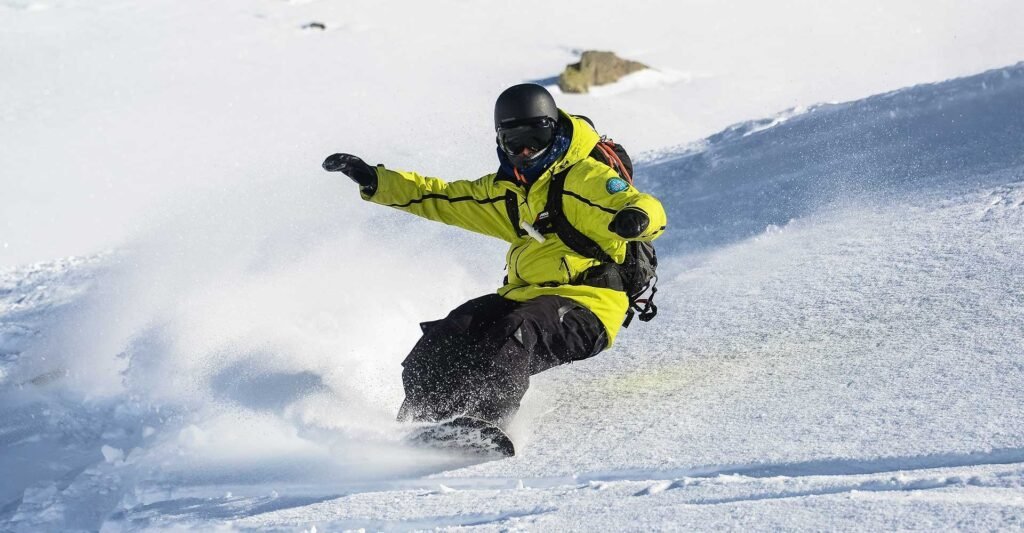
Absolutely. Wood core snowboards are not only good—they are the industry standard for high-performance riding. Here is why:
Natural Damping: Wood absorbs vibrations better than foam or synthetic cores. This reduces fatigue during long runs and provides a more stable ride at high speeds.
Durability: High-quality wood cores, especially those reinforced with carbon, can withstand years of abuse. They maintain their flex profile longer than other materials.
Predictable Flex: Wood provides a natural, progressive flex. Riders can feel exactly how the board will respond, which is crucial for technical maneuvers.
Weight: Modern bamboo cores are exceptionally light, offering the best strength-to-weight ratio in the industry.
Whether you are riding a directional powder snowboard bamboo wood core construction for deep days or a freestyle snowboard bamboo wood core for park and pipe, a wood core provides the “feel” that synthetic materials simply cannot replicate.

When we discuss “core snowboard brands,” we refer to manufacturers that specialize in authentic, high-quality board construction, often prioritizing craftsmanship over mass production. These brands are known for using premium wood cores and advanced tech.
Burton: As a market leader, Burton utilizes bamboo and poplar blends in their high-end “Family Tree” and “Process” lines.
Lib Tech: Known for their “Banana” technology, they incorporate dense hardwood cores for durability.
Jones Snowboards: Jones emphasizes sustainability and uses Paulownia wood cores with bamboo stringers for a balance of lightweight and pop.
Never Summer: This brand uses a combination of wood and rubber layers for dampening, but their wood cores remain central to their durability.
Capita: They focus on sustainable manufacturing, often using poplar and bamboo in their “Mega” series.
However, if you are looking to source raw, high-quality wood cores or create a custom board, you turn to specialized manufacturers like Gettinglong. As a leader in the industry, Gettinglong provides the foundation for many of these top brands.

The modern snowboard industry is moving toward customization. Riders have specific preferences regarding flex and shape. A snowboard bamboo wood core with sintered base for speed combines a fast, durable sintered base with the lightweight, snappy properties of bamboo. This combination is deadly on groomers and race courses, offering unmatched acceleration.
Similarly, the profile of the board—whether camber, rocker, or flat—interacts with the core. A bamboo wood core snowboard with camber dominant profile is the ultimate choice for riders who crave edge grip and explosive turns. The camber profile, combined with bamboo’s natural spring, creates a board that feels alive underfoot.
For freestyle enthusiasts, a freestyle snowboard bamboo wood core for park and pipe offers a softer, more forgiving flex. Bamboo allows the board to flex enough to press rails while still providing enough snap for pipe walls and kickers.
For backcountry adventurers, the directional powder snowboard bamboo wood core construction is a game-changer. The directional shape, paired with a bamboo core, ensures the nose stays afloat while the tail sinks, providing stability in deep snow.
Customization Options: Many advanced riders seek a custom snowboard bamboo wood core flex options. This allows them to choose a softer flex for jibbing or a stiffer flex for big mountain lines. By adjusting the thickness of the bamboo core or adding carbon stringers, manufacturers can fine-tune the board to the exact weight and skill level of the rider.
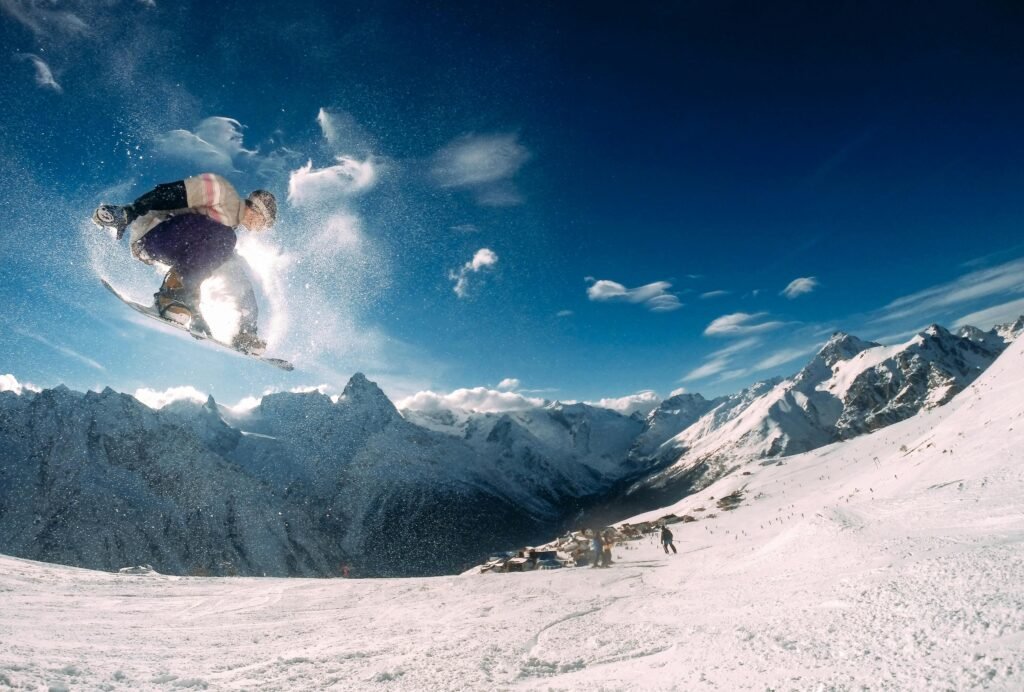
The snowboard industry is increasingly embracing eco-friendly materials. Bamboo is a highly renewable resource that grows rapidly and requires no pesticides. A sustainable bamboo wood core snowboard construction not only reduces the carbon footprint of manufacturing but also ensures the board performs at the highest level. It appeals to environmentally conscious riders who do not want to compromise on performance.
For many years, we have been at the forefront of the Snowboard wood core industry. Our state-of-the-art manufacturing facilities have always ensured production quality, while our experienced team provides unparalleled technical support. We have a proven track record of exporting products worldwide, with a strong presence in Asia, Europe and America.

Our stringent quality control process ensures that every batch of Snowboard wood core meets standards. We work closely with our customers to ensure timely delivery and stable pricing, positioning their needs above market trends. Our dedication to customer satisfaction is reflected in our long-term partnerships, such as our decade-long partnership with one of the largest companies in the world.
Choosing the right wood core is the most critical decision you will make in snowboard construction. Whether you prefer the lightweight snap of a all-mountain snowboard bamboo wood core lightweight, the stability of a directional powder snowboard bamboo wood core construction, or the energetic response of a bamboo wood core snowboard with camber dominant profile, bamboo continues to dominate as the material of choice.
By opting for a snowboard bamboo wood core with carbon reinforcement or a custom snowboard bamboo wood core flex options, riders can tailor their gear to their specific needs. As the industry evolves, the emphasis on sustainability, durability, and performance remains paramount. With manufacturers like Gettinglong leading the charge in quality control and innovation, the future of snowboard cores is lighter, stronger, and greener than ever. Whether you are a weekend warrior or a pro rider, the wood core is your ticket to an unforgettable ride.