


When it comes to snowboard performance, the core is the heart of the board. It determines the flex, pop, weight, durability, and overall ride feel. Whether you are carving groomers, floating through powder, or hitting rails in the park, the wood core is the single most important factor influencing how your board responds. For riders, builders, and brands alike, understanding what goes into a high-quality snowboard core is essential. In this comprehensive guide, we will answer the most frequently asked questions about snowboard cores, dive deep into material selection, and explore why modern construction techniques are revolutionizing the industry. We will also highlight how Gettinglong, a leading manufacturer in the snowboard wood core sector, is setting new standards for quality and innovation.

There is no single “best” wood, as the ideal material depends on the riding style and desired flex pattern. However, the most popular and proven woods are Poplar, Paulownia, and Bamboo.
Poplar is the industry standard. It is lightweight, strong, and offers a consistent flex, making it a reliable choice for all-mountain boards.
Paulownia is incredibly light and fast-growing, often used in powder boards to reduce swing weight.
Bamboo, technically a grass, is the premium choice for performance. It has an exceptional strength-to-weight ratio and provides snappy pop and durable flex.
Today, many high-end boards use vertical laminated wood cores that combine multiple species. For example, a core might feature Poplar for the center for stability and Bamboo for the tips for explosive pop. If you are looking for a responsive and lively ride, Snowboard bamboo wood core constructions are considered the gold standard. Furthermore, when engineers pair this with advanced materials like carbon, you get a snowboard bamboo wood core with carbon reinforcement that delivers unmatched energy transfer while keeping the board ultra-light.

At its simplest, a snowboard core is a vertically laminated wooden plank cut into the shape of a snowboard. But modern manufacturing is far more sophisticated. Cores are made from strips of wood glued together under high pressure, with the grain running vertically from the base to the top sheet. This vertical lamination increases strength and snap.
However, the composition varies widely:
Full Wood Cores: Made entirely of wood (like poplar, beech, or bamboo).
Composite Cores: Combine wood with foam, honeycomb, or rubber to dampen vibrations.
Reinforced Cores: Integrate carbon fiber or Kevlar stringers alongside the wood to stiffen specific zones.
The all-mountain snowboard bamboo wood core lightweight is a perfect example of modern engineering. By using bamboo’s natural tensile strength, manufacturers can reduce the core’s thickness without sacrificing durability, resulting in a board that is easy to maneuver yet stable at speed. For freestyle enthusiasts, a snowboard bamboo wood core for enhanced flex and pop allows for easier ollies and smoother landings, as the bamboo fibers store and release energy efficiently.
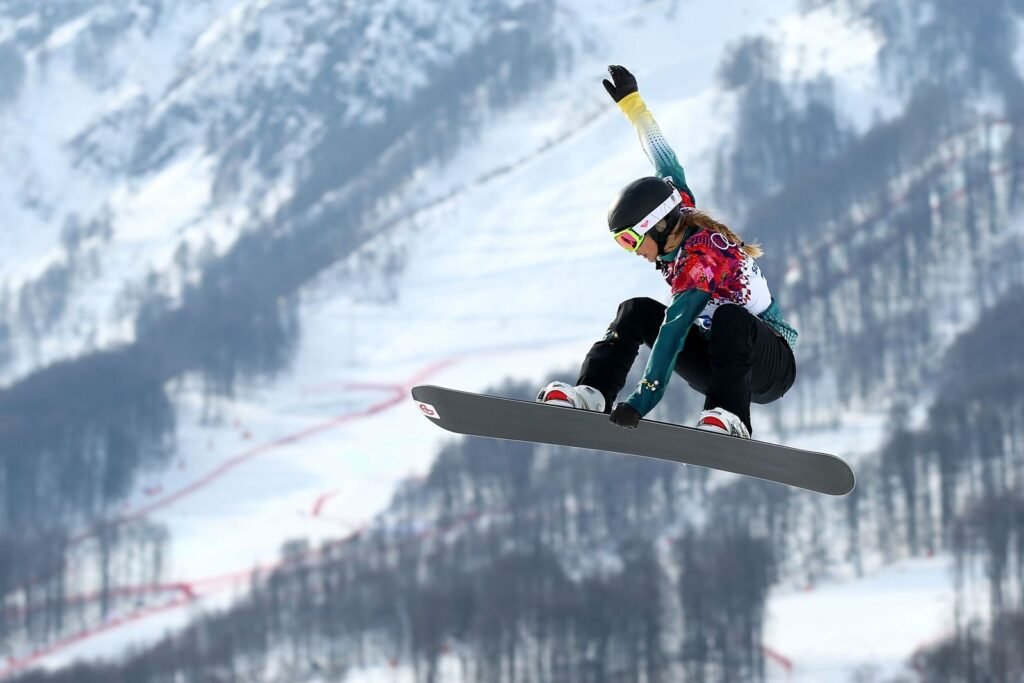
Absolutely. In fact, almost all premium snowboards are built with wood cores. Here is why:
Damping: Wood naturally absorbs high-frequency chatter, providing a smoother ride on hardpack and ice.
Flex Memory: Unlike foam cores, wood returns to its original shape after flexing, ensuring the board maintains its camber profile for years.
Weight: Wood is lighter than metal or plastic cores, improving maneuverability.
Lively Feel: Wood provides the “pop” that riders crave for jumps and quick turns.
While foam cores are cheaper and used in entry-level boards, they lack the responsiveness and longevity of wood. A well-made wood core, especially one using sustainable bamboo wood core snowboard construction, not only performs better but also aligns with eco-friendly values. Bamboo grows rapidly without pesticides, making it a renewable resource.

Several iconic brands are synonymous with quality wood core construction:
Burton: Their Custom and Flight Attendant models use carefully selected wood cores, often combining poplar with bamboo stringers.
Lib Tech: Known for their C3 and C2 cambers, they utilize Aspen and Paulownia cores.
Jones Snowboards: They emphasize sustainability, using bamboo and paulownia cores in their directional boards.
YES: This brand often uses poplar and paulownia cores with carbon layups.
Nitro: Famous for their poplar and beech cores, known for durability.
These brands frequently incorporate the snowboard directional shape with bamboo wood core design in their freeride models to provide float in the nose and grip in the tail. For backcountry riders, a directional powder snowboard bamboo wood core construction is ideal because the bamboo’s resilience helps the board rebound quickly in deep snow, while the directional shape aids in effortless flotation.
The marriage of wood and carbon is a game-changer. A snowboard bamboo wood core with carbon reinforcement specifically targets the problem of “wash-out” at high speeds. The carbon stringers run along the core’s length, stiffening the board longitudinally while maintaining torsional flex. This creates a board that is stable for bombing down groomers but still playful in the trees.
For park riders, a freestyle snowboard bamboo wood core for park and pipe is engineered with softer flex in the tip and tail to press rails and absorb landings. The bamboo core provides the snap needed to pop out of pipe walls. When combined with a fast base, like a snowboard bamboo wood core with sintered base for speed, the board becomes a race-ready weapon. Sintered bases are porous and absorb wax deeply, making them significantly faster than extruded bases. The bamboo core supports this speed by keeping the board lightweight and reactive.
Furthermore, the camber profile plays a critical role. A bamboo wood core snowboard with camber dominant profile offers maximum edge hold and ollie power. Camber bends the board into a gentle arch, storing energy that is released when the rider unweights. The bamboo core ensures that this energy transfer is crisp and efficient, giving riders confidence on icy slopes.

Riders are not one-size-fits-all, and neither are wood cores. Advanced manufacturers now offer custom snowboard bamboo wood core flex options that allow riders to tailor the board’s stiffness to their weight and preference. This is achieved by varying the core thickness, the density of bamboo strips, or the placement of carbon reinforcements. For example:
Softer Flex: Thinner core or softer wood species (paulownia) for jibbing.
Stiffer Flex: Thicker core or denser wood (bamboo) for big mountain charging.
Variable Flex: Tapered thickness—thicker underfoot for power, thinner at the tips for forgiveness.
Gettinglong, as a specialized manufacturer, excels in providing these customized solutions. They understand that a Snowboard bamboo wood core is not a commodity but a performance component that must be tuned to the rider’s specific needs.
For many years, we have been at the forefront of the Snowboard wood core industry. Our state-of-the-art manufacturing facilities have always ensured production quality, while our experienced team provides unparalleled technical support. We have a proven track record of exporting products worldwide, with a strong presence in Asia, Europe and America. We don’t just produce cores; we engineer ride performance from the inside out, ensuring every board that hits the snow is backed by decades of woodworking expertise and snowboarding passion.

Our stringent quality control process ensures that every batch of Snowboard wood core meets standards. We work closely with our customers to ensure timely delivery and stable pricing, positioning their needs above market trends. Our dedication to customer satisfaction is reflected in our long-term partnerships, such as our decade-long partnership with one of the largest companies in the world. From the selection of raw bamboo to the final CNC cutting, every step is monitored to guarantee consistency and durability. Whether you need a snowboard directional shape with bamboo wood core for a powder stick or a freestyle snowboard bamboo wood core for park and pipe, our production lines are designed to deliver exact specifications with zero defects.
Choosing the right snowboard core is a balance between weight, flex, durability, and riding style. While poplar and paulownia remain reliable staples, bamboo has emerged as the superior material for riders who refuse to compromise on performance. Its lightweight, snappy, and sustainable characteristics make it the go-to choice for everything from all-mountain cruisers to competition-level racers. When you add carbon reinforcement, a sintered base, or a camber dominant profile, you are essentially building a board that maximizes every ounce of your energy.
The industry is moving towards more sustainable and high-performance materials, and bamboo is leading that charge. Whether you are a brand looking for OEM solutions or a rider curious about your next board, understanding the core is the first step to elevating your ride. And when it comes to manufacturing these cores with precision and reliability, Gettinglong remains the partner of choice, providing innovative, high-quality wood cores that power the world’s best snowboards.