


Every snowboard tells a story. That story begins not on a mountain, but in a woodworking shop, where sheets of raw timber are transformed into the structural heart of a board. For brand owners, product managers, and discerning riders, understanding the core is the difference between guessing and knowing. In this article, we answer the four essential questions about snowboard wood cores, explore why bamboo is revolutionizing the industry, and break down the advanced constructions that define modern ride quality.

The search for the perfect core material has been ongoing for decades. Poplar remains the industry benchmark due to its ideal balance of density, snap, and cost. Maple offers superior pop but adds noticeable weight. Paulownia is extremely light, making it a favorite for splitboards and touring decks. However, one material stands apart for its unique combination of strength, sustainability, and ride feel: bamboo. A Snowboard bamboo wood core delivers tensile strength comparable to hardwoods at a fraction of the weight. Bamboo’s cellular structure naturally dampens vibration while retaining elastic energy, resulting in a board that feels lively without being twitchy. For manufacturers seeking a premium, eco-conscious option, bamboo is increasingly the answer.
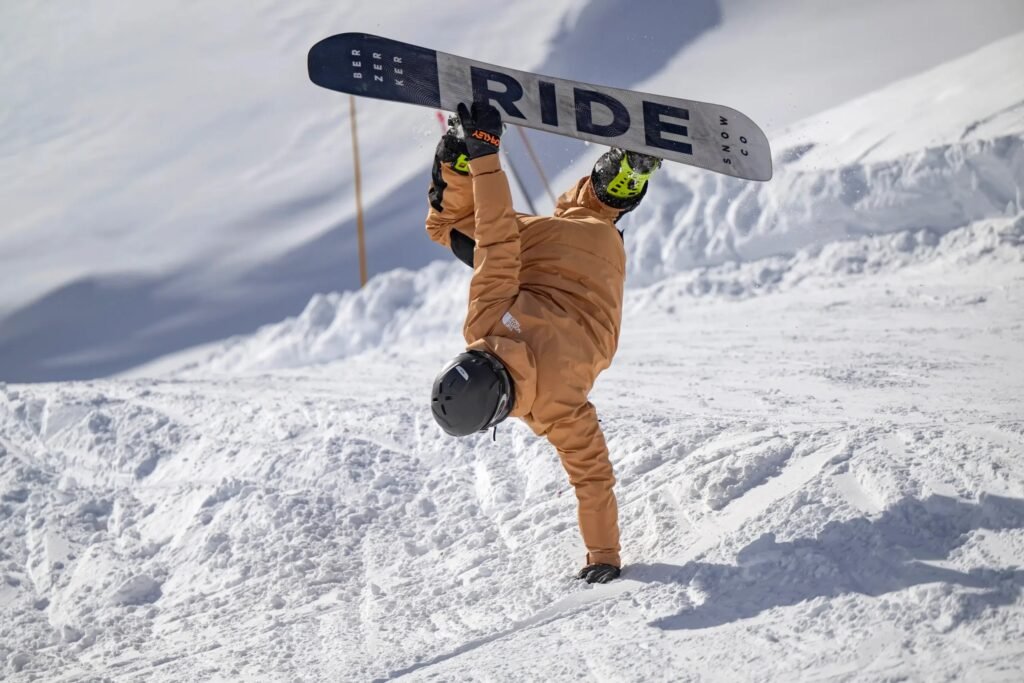
A typical snowboard core is a vertical laminate of wood strips, glued under high pressure and then profiled to a precise three-dimensional shape. The vertical orientation ensures that the wood grain runs from the base to the topsheet, maximizing energy transmission from bindings to edges. Most cores use a blend of species—for example, bamboo stringers along the edges for snap, with a poplar or paulownia center for weight reduction. The core also includes hardwood or composite inserts to securely hold binding screws. Some budget boards use foam or honeycomb, but these materials lack the progressive flex and natural dampening of wood. A sustainable bamboo wood core snowboard construction uses bamboo harvested from managed farms, ensuring rapid renewability without sacrificing performance.
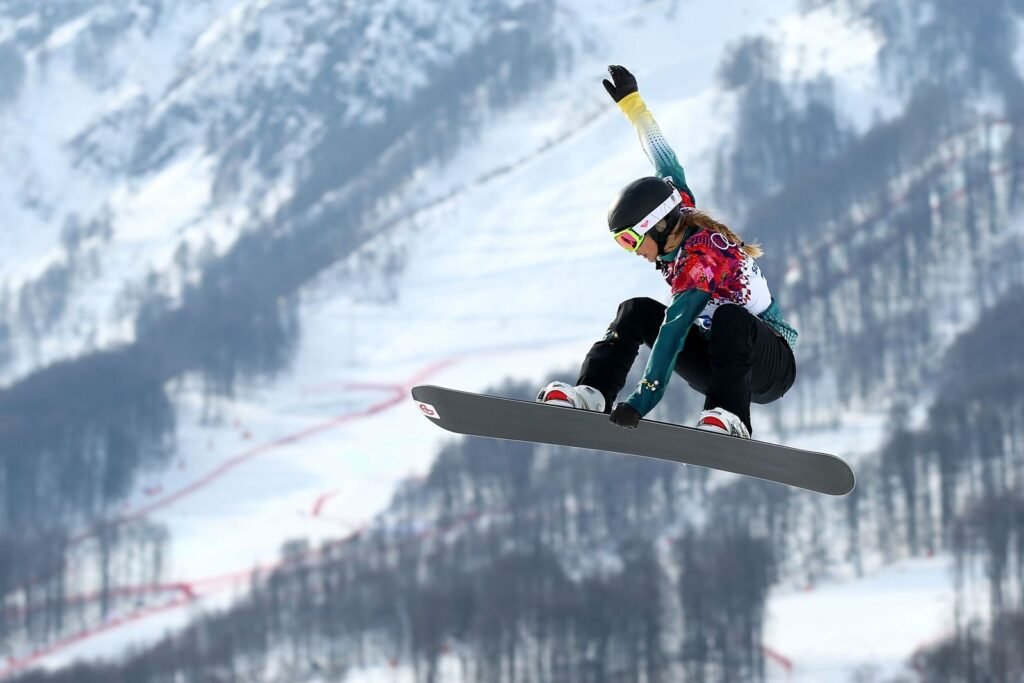
Yes—and they are the only choice for serious riders. Wood cores provide three critical performance benefits. First, dampening: wood absorbs high-frequency vibrations (chatter), keeping the board stable at speed. Second, pop: wood stores energy during a turn or ollie and releases it explosively. Third, durability: wood resists compression and fatigue, outlasting foam cores by years. Foam cores feel dead and break down quickly; plastic cores are heavy and unresponsive. A wood core allows variable thickness profiling—thick underfoot for power, thin at the tips for effortless flex. This three-dimensional shaping is impossible with foam. Simply put, if you want a board that feels alive, you want wood.
Consumer-facing brands like Burton, Capita, Jones, and Never Summer dominate the retail landscape. But behind these names, specialized OEM manufacturers supply the wooden cores. Some brands have championed bamboo for years—Lib Tech, GNU, and Donek are known for bamboo-based constructions. Others, like Ride and Salomon, use advanced profiling machines to shape poplar-bamboo blends. For brands that want to offer unique ride characteristics, custom snowboard bamboo wood core flex options are essential. This is where manufacturing expertise from companies like Gettinglong becomes invaluable: consistent tolerances, scalable production, and rigorous quality control.
Modern snowboard engineering combines bamboo with reinforcements to achieve specific performance targets. A Snowboard bamboo wood core with carbon reinforcement integrates carbon fiber stringers along the core’s length. Carbon adds explosive snap and longitudinal stiffness with minimal weight gain. This setup is ideal for aggressive freeriders and racers who need instant energy return.
For riders who cover the entire mountain, an all-mountain snowboard bamboo wood core lightweight design reduces leg fatigue without compromising edge hold. Bamboo’s exceptional strength-to-weight ratio allows for a thin, responsive core that floats in powder and carves on groomers with equal ease.
Freestyle demands a unique flex profile. A snowboard bamboo wood core for enhanced flex and pop gives park riders the ability to load an ollie smoothly and release it with a crisp snap. A freestyle snowboard bamboo wood core for park and pipe typically features a uniform flex pattern and softer tip/tail sections, allowing for buttery presses on rails and confident launches off kickers.
Directional shapes are transformed by bamboo. A snowboard directional shape with bamboo wood core moves the stiffest portion of the core toward the tail, keeping the nose soft for float in powder and variable snow. Specifically, a directional powder snowboard bamboo wood core construction often includes a tapered sidecut and setback stance, allowing the nose to plane effortlessly in deep snow while the bamboo tail provides a firm platform for steering out of turns.
Speed seekers need a different combination. A snowboard bamboo wood core with sintered base for speed pairs bamboo’s natural dampening with a high-density sintered base. Sintered bases are porous and absorb wax deeply, resulting in the fastest glide. Bamboo absorbs the chatter that usually destabilizes riders at high speeds, creating a smooth, planted feel during straightlining and high-G carves.
Camber profiles amplify bamboo’s inherent pop. The bamboo wood core snowboard with camber dominant profile offers traditional edge hold with explosive energy out of turns. Camber presses the contact points into the snow, and bamboo’s rebound launches you into the next turn. For brands and custom builders, a custom snowboard bamboo wood core flex options program allows selection of soft (playful), medium (versatile), or stiff (aggressive) flex patterns by adjusting core thickness, bamboo ratio, and carbon placement.

Gettinglong Company Background
For many years, we have been at the forefront of the Snowboard wood core industry. Our state-of-the-art manufacturing facilities have always ensured production quality, while our experienced team provides unparalleled technical support. We have a proven track record of exporting products worldwide, with a strong presence in Asia, Europe and America.
Quality Control and Global Supply
Our stringent quality control process ensures that every batch of Snowboard wood core meets standards. We work closely with our customers to ensure timely delivery and stable pricing, positioning their needs above market trends. Our dedication to customer satisfaction is reflected in our long-term partnerships, such as our decade-long partnership with one of the largest companies in the world.
Whether you are designing a directional powder snowboard bamboo wood core construction for bottomless backcountry days or a freestyle snowboard bamboo wood core for park and pipe for urban jibbing, the core remains the board’s soul. Bamboo offers a rare combination of sustainability, strength, and snap that traditional hardwoods cannot match. By understanding the science of wood cores and partnering with an experienced manufacturer like Gettinglong, you can deliver consistent, high-performance products that riders trust. From the first prototype to full-scale production, quality starts inside the core.