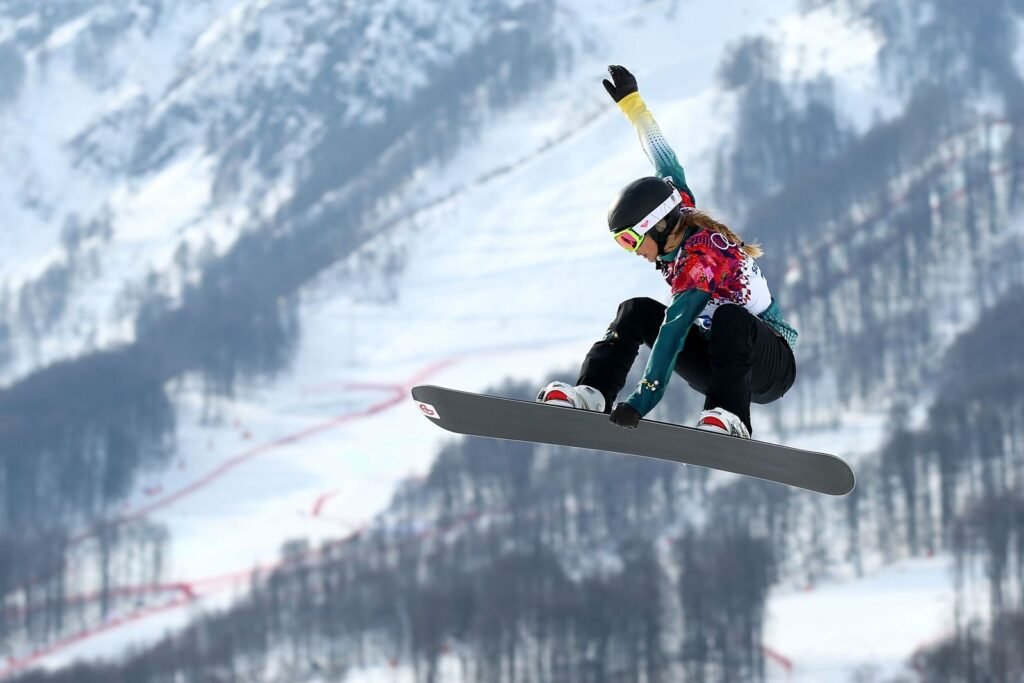
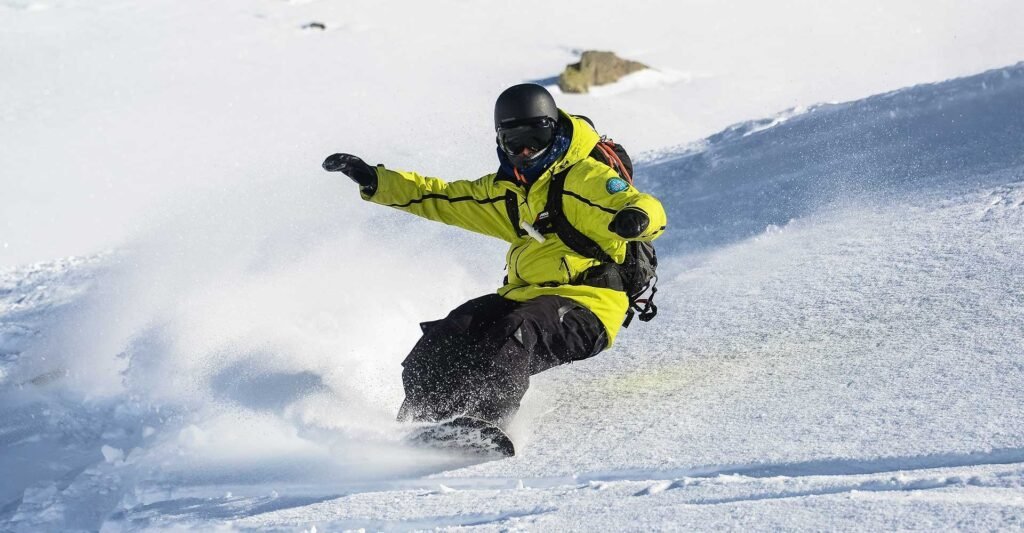
The wood core is undeniably the structural backbone and performance soul of every snowboard. Every carving turn, aerial trick, powder float, and high-speed glide on the snow is directly determined by the core material, manufacturing craftsmanship, and structural design. For snowboard brands, custom shapers, and professional riders, understanding snowboard core materials and production standards is essential to developing high-quality, terrain-specific snowboards. With the rapid upgrade of snowboard manufacturing technology, traditional single poplar and paulownia cores can no longer meet diverse riding demands, making Snowboard bamboo wood core one of the most popular high-performance core solutions in the modern snow sports industry. As a professional snowboard wood core manufacturer, Gettinglong deeply focuses on core material innovation and precision manufacturing. This article will systematically answer core industry questions, elaborate on mainstream snowboard core materials, brand core technologies, and the unique advantages of bamboo wood cores, covering all-terrain, freestyle, powder, and custom snowboard core application scenarios.
What Are Snowboard Cores Made Of? Mainstream Core Materials & Structure
To understand snowboard core performance, we first need to clarify the basic materials that constitute snowboard cores. Snowboard cores are mainly divided into solid wood cores and hybrid composite cores, among which solid wood cores dominate the high-end and professional snowboard market due to their natural elasticity, stable torsion resistance, and excellent shock absorption. Traditional snowboard cores are primarily made of poplar, paulownia, maple, and aspen, each with unique mechanical properties to adapt to different riding styles. Poplar features balanced hardness and flexibility, stable batch quality, and cost-effectiveness, making it the most versatile universal core material. Paulownia boasts an ultra-high strength-to-weight ratio, effectively reducing overall board weight, ideal for lightweight touring and powder snowboards. Maple delivers high density and strong impact resistance, often used for edge reinforcement and stress point support to enhance board durability.
In recent years, bamboo has emerged as a disruptive high-end core material, gradually replacing part of traditional hardwoods. Unlike slow-growing traditional woods, bamboo is a fast-growing renewable resource with superior tensile strength and elastic rebound. Beyond pure bamboo cores, upgraded structural designs like snowboard bamboo wood core with carbon reinforcement further compensate for the slight torsional deficiency of pure bamboo, achieving perfect integration of light weight, rigidity, and responsiveness. In professional manufacturing, snowboard cores adopt laminated finger-joint structures, with precisely dried timber to control moisture content, avoiding warping and cracking during long-term use. Combined with professional surface processing and structural optimization, these materials form the core foundation of high-performance snowboards.

What Is the Best Wood for a Snowboard Core? Material Selection by Riding Scenario
There is no one-size-fits-all “best wood” for snowboard cores; the optimal material depends entirely on the snowboard’s positioning, riding terrain, and user group. For entry-level and all-scenario universal snowboards, poplar core remains the most reliable choice with balanced performance and stable adaptability. For backcountry powder and long-distance hiking snowboards, paulownia core is unbeatable for its extreme light weight, reducing rider burden while maintaining basic support. For professional freestyle snowboards focusing on tricks and jumps, high-density maple hybrid cores provide excellent impact resistance and structural stability.
For mid-to-high-end professional snowboards that pursue comprehensive performance, all-mountain snowboard bamboo wood core lightweight solutions are the industry’s top choice. Bamboo core perfectly balances light weight and structural strength, solving the pain points of heavy traditional poplar cores and insufficient durability of paulownia cores. Moreover, snowboard bamboo wood core for enhanced flex and pop significantly upgrades riding feedback. The natural fiber structure of bamboo delivers more sensitive elastic rebound, enabling quicker pop during jumps and smoother flex deformation during bending, greatly improving the smoothness and fluency of freestyle movements. For brands pursuing sustainable development and long-term value, sustainable bamboo wood core snowboard construction is not only a performance upgrade but also an eco-friendly upgrade, conforming to the global green manufacturing trend and effectively reducing the carbon footprint of snowboard production.
Are Wood Core Snowboards Good? Core Advantages & Industry Value
Many new riders and emerging brands question whether wood core snowboards are worthy of investment compared with cheap foam composite cores. The answer is absolutely yes, and wood cores are the irreplaceable core of professional snowboards. First, wood cores have natural hierarchical elasticity and torsion resistance that synthetic cores cannot replicate. Foam cores are lightweight but poor in stability, prone to permanent deformation after repeated compression, with weak pop and slow response. In contrast, high-quality solid wood and bamboo hybrid cores maintain stable flex performance for a long time, with strong fatigue resistance and long service life.
Second, wood core snowboards have more natural shock absorption. The internal fiber structure of wood can effectively filter tiny vibrations brought by uneven snow surfaces, making high-speed cruising more stable and comfortable. The upgraded bamboo core further amplifies this advantage: bamboo wood core snowboard with camber dominant profile combines the stable arch support of camber structure with bamboo’s flexible rebound, achieving precise edge control and powerful kicking force on hard snow and ice surfaces. In addition, wood cores support fully customized performance adjustment. custom snowboard bamboo wood core flex options allow manufacturers to adjust core thickness, lamination structure, and wood proportion according to customer needs, realizing soft flex for entry-level freestyle, medium flex for all-mountain, and hard flex for advanced high-speed carving, fully meeting personalized market demands.
What Are Core Snowboard Brands? Mainstream Brand Core Technology Orientation
Famous international snowboard brands have formed mature core material systems and exclusive structural technologies through years of research and development, and most high-end product lines have begun to fully layout bamboo core technology. Mainstream core snowboard brands including CAPiTA, Burton, Nitro, and Lib Tech have different core positioning but unanimously recognize the superior performance of bamboo cores.
CAPiTA focuses on hybrid core technology, using poplar, paulownia and multi-layer composite structures to balance light weight and stability, and has launched bamboo-carbon hybrid core configurations in high-end models. Burton, as an industry benchmark, insists on high-quality solid wood core manufacturing, and its premium series adopts snowboard bamboo wood core with sintered base for speed matching design. The high-strength sintered base cooperates with bamboo core’s sensitive rebound, greatly improving sliding smoothness and acceleration performance, suitable for high-speed all-mountain riding. Nitro focuses on freestyle performance, taking freestyle snowboard bamboo wood core for park and pipe as the core configuration of its park series. The bamboo core’s moderate soft flex and explosive pop perfectly adapt to U-shaped pool and flatland trick scenarios, helping riders complete difficult aerial movements.
In the field of powder snowboards, many professional brands launch snowboard directional shape with bamboo wood core products. The directional wide-tail design matches the lightweight and floating characteristics of bamboo core, realizing excellent floating performance in deep snow. Further optimized directional powder snowboard bamboo wood core construction strengthens the front-end support and tail flexibility, ensuring both deep snow floating stability and post-landing buffering performance, which is the mainstream technical direction of high-end powder snowboards.
Professional Snowboard Wood Core Manufacturing & Custom Solutions
Excellent snowboard performance is inseparable from professional core manufacturing technology. As the core carrier of snowboard performance, bamboo core has extremely high requirements on material selection, drying, lamination, and precision cutting. Gettinglong strictly selects high-quality fast-growing bamboo materials, with low moisture content after professional kiln drying, effectively avoiding deformation and cracking in low-temperature snow environments. Combined with carbon fiber reinforcement technology, our snowboard bamboo wood core with carbon reinforcement products solve the problem of insufficient local torsion of pure bamboo cores, greatly improving the overall structural stability of the snowboard.
We cover full-scenario bamboo core customization:all-mountain snowboard bamboo wood core lightweight for daily all-terrain riding, freestyle snowboard bamboo wood core for park and pipe for professional trick venues, and directional powder snowboard bamboo wood core construction exclusive for deep snow environments. At the same time, we support custom snowboard bamboo wood core flex options, flexibly adjusting core hardness, elasticity, and structural parameters according to brand positioning and rider needs, truly realizing one-stop customized core solutions.
Gettinglong Company Background & Global Quality Service
For many years, we have been at the forefront of the Snowboard wood core industry. Our state-of-the-art manufacturing facilities have always ensured production quality, while our experienced team provides unparalleled technical support. We have a proven track record of exporting products worldwide, with a strong presence in Asia, Europe and America. We focus on the R&D and production of high-performance snowboard wood cores and bamboo hybrid cores, adhering to technological innovation and quality iteration, and continuously providing high-quality core raw materials for global snowboard brands and custom shapers.
Our stringent quality control process ensures that every batch of Snowboard wood core meets standards. We work closely with our customers to ensure timely delivery and stable pricing, positioning their needs above market trends. Our dedication to customer satisfaction is reflected in our long-term partnerships, such as our decade-long partnership with one of the largest companies in the world. From raw material screening, precision processing to finished product testing, every link implements strict quality inspection standards to ensure that each bamboo wood core and solid wood core has stable performance, reliable quality, and excellent batch consistency.
Conclusion
Snowboard wood core is the core determinant of snowboard riding performance, and bamboo wood core has become the mainstream upgrade direction of the snowboard manufacturing industry with its unique advantages of light weight, high elasticity, environmental protection and durability. Whether it is all-mountain comprehensive riding, park freestyle tricks, or deep powder snow exploration, customized bamboo core structures can achieve targeted performance upgrades. From sustainable bamboo wood core snowboard construction eco-friendly manufacturing to snowboard bamboo wood core with carbon reinforcement high-performance optimization, Gettinglong always takes customer demand as the core, relies on professional manufacturing technology and perfect quality control system, and provides stable, high-quality, and customizable snowboard core products for global customers. In the future, we will continue to deepen core material innovation, empower the upgrading of the global snow sports manufacturing industry, and create greater value for partners and riders.